










Soothing the soul
Our music therapy program nurtures patients with bedside serenades, rap workshops and more.
Find out more




Here to serve you
Explore our network of care for kids, from the tiniest to teens and young adults.




World-class docs
We'll help you find the best provider for your child.




Stress-free visits
Accommodations. Admission. Discharge. Procedure prep. We've got you covered.




Extraordinary kid care
Our specialists handle conditions ranging from the common to the most rare.




Referrals made easy
Contacts and resources to get your patients to our pediatric specialists




Best in Northern CA
We're ranked #1 in pediatric cancer, heart surgery, cardiology & more.





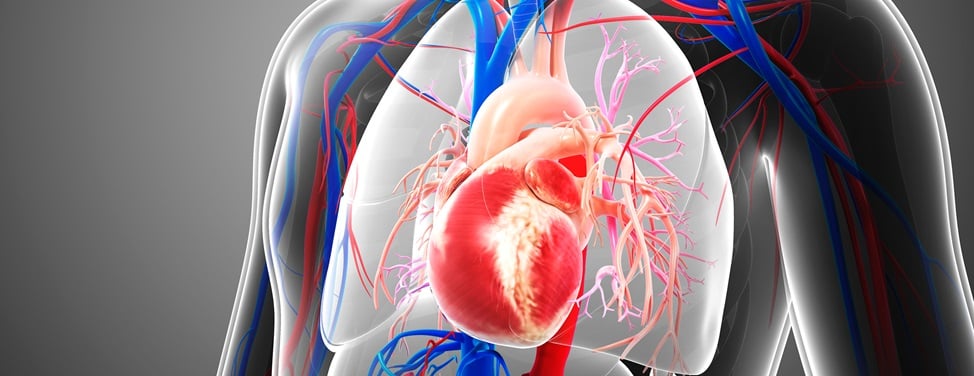
About 1 out of every 100 babies is born with a condition called congenital heart disease. The term refers to a range of heart problems that are present at birth and affect how the heart works.
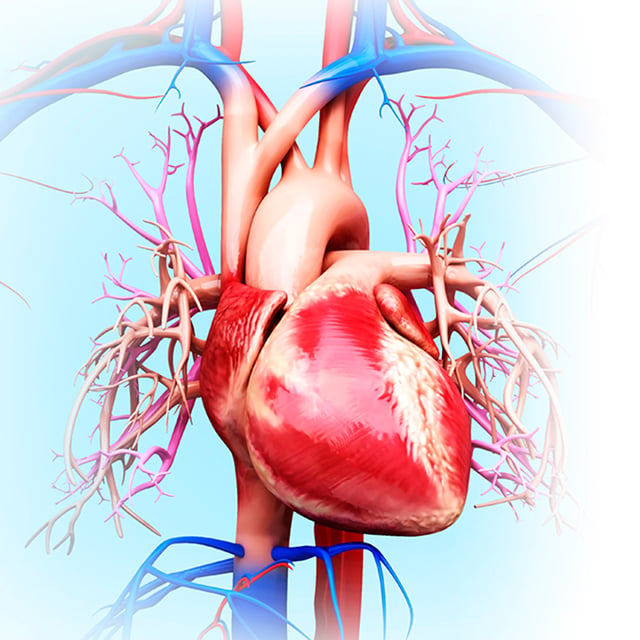
What these various issues have in common is that they arise while the baby is still in utero, when the heart is developing. Congenital heart disease includes structural defects in the heart itself or in the blood vessels that carry blood to and from the heart. The condition also includes problems that affect the heart’s rhythm or how well the heart muscle pumps blood.
Congenital heart disease is the most common type of birth defect. The severity ranges widely from mild conditions that only need monitoring to life-threatening problems that require multiple surgeries or even a heart transplant.
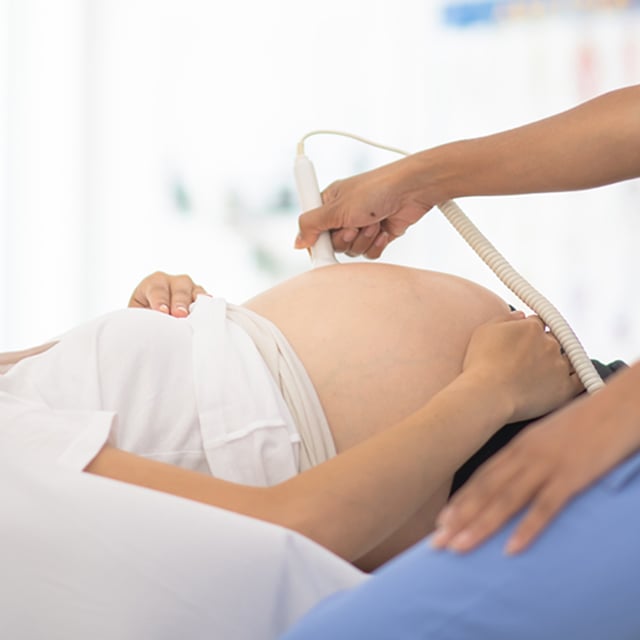
Today, we can detect many heart problems before birth using a type of ultrasound called fetal echocardiography. This imaging test lets doctors see how the baby's heart is forming and working. Early diagnosis helps doctors plan the best care for the baby immediately after birth. In some cases, treatment – ranging from medications to procedures – can even begin before the baby is born.
Thanks to advances in early diagnosis and treatment, most children with congenital heart disease have excellent outcomes and grow into healthy adults.
A leader in the evaluation and treatment of congenital heart disease, UCSF Benioff Children's Hospitals have specialized programs to provide cutting-edge care before birth, after delivery and at every stage of a child's development. These specialized services include our Fetal Cardiovascular Program, Fetal Treatment Center, Neonatal Cardiovascular Center of Excellence and Pediatric Heart Center.
Our Fetal Cardiovascular Program, a collaboration of the Pediatric Heart Center and Fetal Treatment Center, uses state-of-the-art imaging to detect a wide range of heart disorders during pregnancy.
Early diagnosis allows our team to create a personalized care plan and prepare for providing any necessary treatments at birth.
Our team includes experts in fetal and pediatric cardiology, cardiothoracic surgery, cardiac imaging, intensive care, electrophysiology (the study of heart rhythm disorders), cardiovascular genetics and other specialized fields. Many are national leaders in their specialties.
At UCSF, you and your child have access to the most advanced imaging technologies and treatments, as well as comprehensive support services. Our doctors helped develop groundbreaking therapies for congenital heart disease and continue to lead research through clinical trials (studies of promising treatments) aimed at improving outcomes for children and their families.

Best in Northern California for cardiology & heart surgery

Ranked among the nation's best in 11 specialties
While researchers don't know the exact cause of most types of congenital heart disease, they think that genetics as well as certain medications, health conditions and environmental factors may play roles. Factors that can increase the risk of having a baby with a heart defect include:
Symptoms depend on the specific heart defect and its severity. Most cases are diagnosed before birth.
However, common signs in infants include:
The conditions known as congenital heart disease generally fit into one of three broad categories: structural defects, arrhythmias and problems that compromise heart function.
During pregnancy, even small abnormalities in how the heart forms can lead to architectural problems, such as a hole between the heart’s chambers, a narrowed heart valve or an undersized blood vessel. These issues can affect how blood flows through the heart and body.
For example, if the aortic valve (which controls blood flow from the left lower chamber to the body) is too narrow, development of the entire left side of the heart can be impaired. This can become a life-threatening condition if not treated before birth. If either of the heart’s main pumping chambers doesn’t develop properly, the baby may experience severe complications after birth requiring multiple open-heart surgeries.
When a baby's heart beats too fast, too slowly, or irregularly, it's called an arrhythmia. A healthy fetal heart rate ranges from 120 to 160 beats per minute and has a certain rhythm. A change in rhythm or a rate outside this range may signal a heart rhythm problem.
Arrhythmias result from an issue with the heart's electrical system, which controls the heartbeat. This is sometimes linked to a structural heart defect.
Common arrhythmias include:
Many arrhythmias can be diagnosed and treated before birth. While irregular rhythms often don't cause serious problems before birth, a too fast or too slow heartbeat can become dangerous and require immediate care.
A healthy heart pumps blood throughout the body, helping organs and tissues get the oxygen and nutrients they need. But sometimes before birth or during infancy, the heart muscle is too weak to do the job – a condition called cardiomyopathy. Cardiomyopathy can be caused by an infection, a genetic disorder, or certain diseases that affect the heart muscle.
In other cases, the heart can't pump properly because of the stress caused by another condition. Arrhythmias can make the heart work harder, as can structural defects in other parts of the body, such as congenital cystic adenomatoid malformations (cysts in the lungs that can compress the heart) or arteriovenous malformations (abnormal tangles of blood vessels in the brain).
A heart that's working too hard can lead to serious health issues. Fortunately, we can find many of these problems early through prenatal testing or newborn screening and we can often provide treatments to support the health of the baby’s heart.
Most heart defects can now be diagnosed in utero, (before birth, as early as 13-14 weeks of pregnancy). Because our Birth Center, newborn nursery and Intensive Care Nursery are all housed in the same complex, most parents will be able to be with their baby throughout the birth and newborn periods.
Before your baby is born, your doctor may perform a fetal echocardiogram to check for heart defects. This test uses sound waves (ultrasound) to create detailed images of the heart. Usually done between 18 and 22 weeks of pregnancy, a fetal echocardiogram can detect structural defects and arrhythmias and allow your provider to determine whether the problem should be treated before birth or can wait.
After your baby is born, they will have certain screening tests. All newborns are checked with a pulse oximeter, a sensor placed on a hand or foot to measure the amount of oxygen in the blood. If the blood oxygen level is low or the baby shows other signs of congenital heart disease, the doctor may order more tests, including:
Treatment depends on the type of congenital heart defect and how serious it is. Possible interventions include:
UCSF Benioff Children's Hospitals medical specialists have reviewed this information. It is for educational purposes only and is not intended to replace the advice of your child's doctor or other health care provider. We encourage you to discuss any questions or concerns you may have with your child's provider.
 20
 20
 13
Soothing the soul