Evaluation and scheduling
Your child may need an appointment with the Pediatric Prepare Clinic to perform any necessary tests and check that your child is healthy enough for surgery and anesthesia. This appointment may take place in person or over the phone. During the appointment, the staff will discuss the general plan for anesthesia.
The surgeon's office will schedule your child's procedure and let you know when to arrive at the hospital. They'll also provide instructions on how to prepare for the procedure, including when your child should stop eating, drinking and taking medications. If your child starts a new medication at any time prior to surgery, call to let your surgeon know about the change.
If your child is already in the hospital when surgery is needed, the surgeon will meet with you in your child's hospital room to discuss the surgery and answer your questions. When the surgical team is ready, your child will be escorted into the operating room.
Some patients are able to return home the day of surgery, while others need to remain in the hospital for a night or more. The surgeon's office staff will tell you the likely length of any hospital stay.
Support services
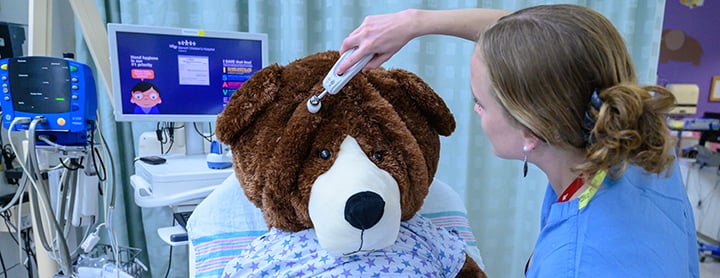
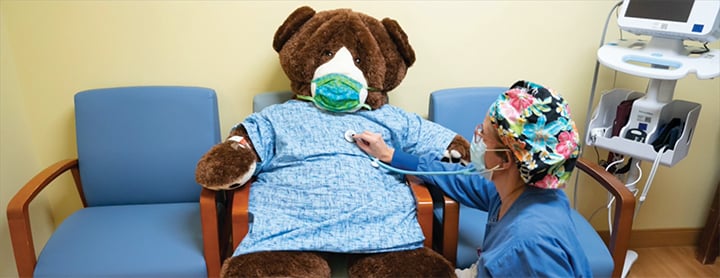
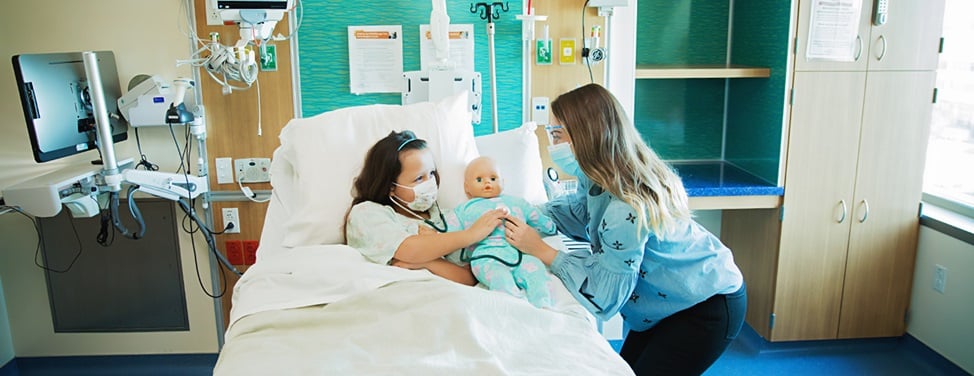
We understand that you and your child may feel anxious or simply have questions about surgery and anesthesia. To help your child feel more relaxed and prepared, our child life specialists may use therapeutic role-playing to go over the anesthesia and surgery experience. If you're interested in meeting with a child life specialist, let your child's surgery team know or contact Child Life Services directly.
Pediatric social workers are also available to talk about specific needs your family may have before and after the surgery. Please ask the surgeon's office staff for a referral to a social worker or contact Social Services directly.
If you'd like to meet with a chaplain before your child's surgery, please contact Spiritual Care Services.
If your child gets sick
Your child should be healthy on the day of the procedure. If your child or another household member develops any illness prior to the procedure, please call your surgeon's office. Symptoms to report include:
- Fever at or above 100.5 F (38.0 C) in the last 24 hours
- Cough, sore throat, runny nose or other cold symptoms
- Flu or flu-like symptoms
- An infection
Although COVID testing is no longer required for surgery, it's still important to inform your health care providers if your child or anyone in the household develops any new symptoms that could indicate a COVID infection. This ensures that appropriate testing and precautions can be taken.
How to prepare the day before surgery
It isn't safe to give general anesthesia to children who have food or fluid in their stomachs. For that reason, it's very important to follow the surgery team's instructions on when your child should stop eating, drinking and taking medications before the procedure. If your child eats or drinks too close to the time of the surgery, it will have to be rescheduled. The timing of when your child needs to begin fasting depends on your child's age and medical condition as well as the type of procedure.
The business day before your child's surgery, you will receive a confirmation call from a nurse with instructions for fasting and what time to arrive for surgery.
To decrease the chance of your child developing an infection, make sure to follow the surgery team's bathing instructions as well.
Review our list of what to pack for the hospital.
For the recovery period, we recommend stocking up on mild, easily digestible foods and drinks that your child likes.
What to expect the day of surgery
Arrive at the hospital with ample time before the start time of your child's surgery to accommodate the registration process and surgery preparation. Arrival times depend on a patient's case, and instructions for your child's surgery will be provided via phone one business day prior to the day of surgery. Review our Locations & Directions page for more information on your child's surgery location.
When you get to the hospital, please let our staff know if you need an interpreter during your visit.
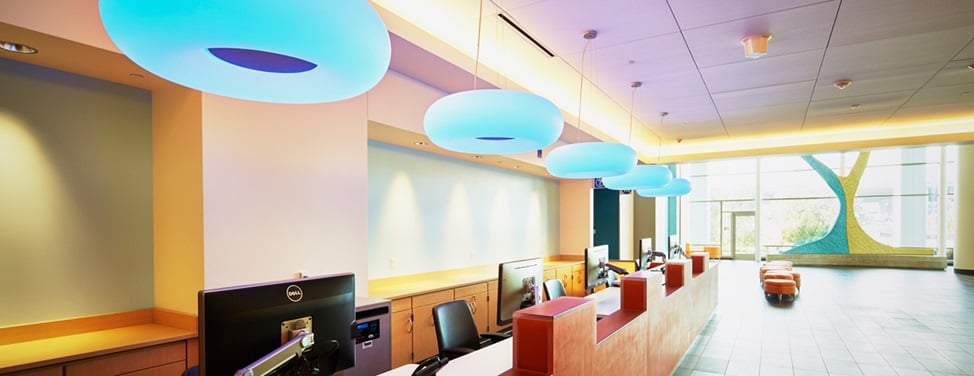
During the surgery, you can wait in the Children's Surgical Waiting Area, or, if your child was already hospitalized, you can wait in your child's hospital room. The surgeon will contact you as soon as the surgery is done.
San Francisco Children's Surgical Waiting Area (1975 Fourth St., Second floor, 415-476-0343)
Oakland Children's Surgical Waiting Area (747 52nd Street, Third floor, 510-428-3856)
Walnut Creek Children's Surgical Waiting Area (2401 Shadelands Drive, 925-979-3400)
You are required to bring:
- A parent, legal guardian or accompanying adult who has a form of identification with a photo, and an insurance card. Both are required upon check-in.
- An accompanying adult who is a parent, legal guardian or authorized medical decision maker for the child. If you are not the child's biological parent, please bring copies of any guardianship, adoption or other documents authorizing you to make medical decisions for the child. This must be available to the physician or team before the day of surgery. (Contact your surgeon's office with questions about what documents are acceptable.)
- List of your child's medications and supplements, including dosages. Please also bring a list of any medications to which your child is allergic.
You are welcome to bring:
- Cell phones, other electronics and chargers
- Comfort items for your child, such as stuffed animals and a blanket
- Books and magazines
- Comfortable clothing and shoes for your child to wear when going home.
Do not bring:
- Your child's medications. The care team will provide your child with any medications normally taken at home.
- Your child's contact lenses, if used. Your child may wear glasses if needed.
- Jewelry or retainers, which must be removed for surgical procedures.
Parking information
San Francisco/Mission Bay
Self-parking: Patients can access the Mission Bay campus parking garage for the children's hospital at 1975 Fourth Street, which is the same address as the children's hospital. Keep your parking ticket with you and use a pay station prior to returning to your car or pay at a parking booth when exiting.
Valet services: As an alternative to self-parking, valet services are available at 1825 Fourth Street, just a three-minute walk to the hospital entrance. Regular hourly parking rates apply, but there is no additional cost for valet service. Valet hours are Monday-Friday, 7:30 a.m.-6:30 p.m.
After 6:30 p.m., keys can be picked up from the booth west of the Precision Cancer Medicine Building (PCMB) located next to the UCSF Owens Street Garage at 1835 Owens Street.
Other transit options: The location is accessible by public transportation, including the SFMTA Muni Metro T Third Street line. Patients can also use UCSF shuttles, which are free. Learn more about parking and transit options.
Oakland
Self-parking: Self-parking is available in the parking garage on Martin Luther King Jr. Way between 52nd and 53rd streets. Before paying for parking, get your discount coupon from one of the Ambassador desks in the main hospital or outpatient center lobby. Using the discount, patients and patient visitors pay no more than $9 to park in the garage. To pay, visit a "pay on foot" kiosk near the elevators and exits on the first floor.
Other transit options: Our Oakland hospital is accessible by public transportation, including the AC Transit Line 18 bus. Patients can also use UCSF shuttles, which are free. Learn more about parking and transit options.
Walnut Creek
Free parking is available in the main parking lot on Shadelands Drive.
Rideshare services: If you are using a rideshare service such as Uber or Lyft, arrangements must be made prior to the day of your child's surgery.
Anesthesia
The anesthesia provider will help your child go to sleep in either the operating room or an induction room (a nearby room in which anesthesia is started). In some cases, parents can stay with their child in the induction room.
During surgery, the anesthesia provider will make sure your child doesn't experience pain.
Recovery room
After the operation, your child will be taken to the recovery room, also called the "wake-up room." You may join your child in the recovery room.
Children vary in their reactions following anesthesia. Many children wake up groggy but comfortable. Others wake up crying because they're confused. Our pediatric recovery room nurse will help keep your child as calm and comfortable as possible during this period.
If a hospital stay is needed after surgery, you may accompany your child from the recovery room to the hospital room.
Going home
After surgery, your child will be required to leave the hospital accompanied by a caregiver or family member. If you have concerns about meeting this requirement, please let us know so we can provide a list of assisted ride services.
Your child's care team will decide when it's safe to return home. During the discharge process, they'll provide instructions on how to care for your child at home and when to return to the surgeon's office for follow-up appointments. Don't hesitate to ask as many questions as needed; we want you to feel comfortable taking your child home.
We believe that effective pain management is very important both during hospitalization and recovery. We design an individual pain management plan according to each patient's needs, which can include pain medicine and/or non-medicine treatments. Our goal is to achieve a balance. We take into account medication side effects and the need for patients to be alert and able to participate in their treatments. We believe physical activity can promote healing and help pain, but we also recognize that it can be uncomfortable, especially at first.
If your child's doctor writes a prescription for pain medication, it's important to get the prescription filled immediately and use it as directed. Call the surgeon's office if the medication doesn't control your child's pain.
If any questions or concerns arise at home, please call the surgeon's office.
What to expect during recovery
- Right after surgery, your child may experience nausea and vomiting. This is due to the anesthesia and may last 24 hours.
- Your child may be groggy or unsteady, so plan to stay close by. Your child may also be irritable for the rest of the day and night.
- Children may not feel hungry for a few days after surgery. Don't force your child to eat, but encourage drinking fluids – it may help your child feel better sooner.
- When starting to drink fluids after surgery, most children do better if offered beverages they like.
- It's normal for children to have a slightly elevated temperature – 99 to 100 degrees F – for one or two days after anesthesia. However, it's cause for concern if your child has a fever above 100, redness around the surgical wound, bleeding, vomiting or decreased urination. If your child has any of these symptoms, call the surgeon's office.