New treatment minimizes chemotherapy
ALL is traditionally treated using large doses of chemotherapy and exposing the entire body to radiation in a process called conditioning, followed by a bone marrow – or stem cell – transplant. Although still used by most pediatric cancer centers in the country, the chemo and radiation raise kids' risk of long-term side effects, including other cancers and infertility.
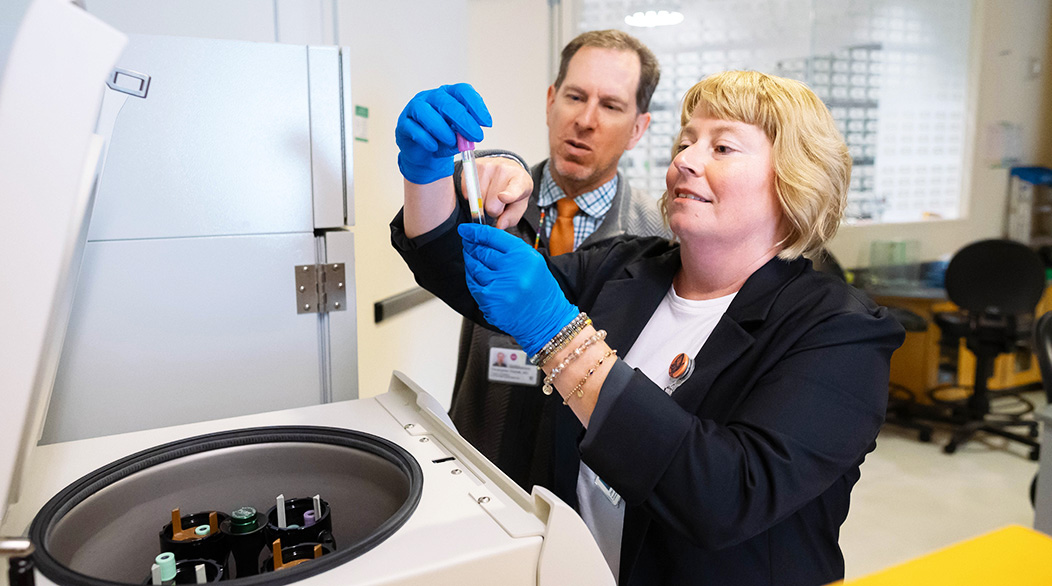
Astrid, however, received a new precision treatment developed by two UCSF specialists, Dr. Christopher Dvorak, an expert in pediatric blood cancers and chief of the UCSF Department of Pediatrics' Division of Allergy, Immunology and Bone Marrow Transplantation, and pharmacist Janel Long-Boyle, who studies cancer therapies.
Dvorak and Long-Boyle's team designed a conditioning treatment using an advanced computer algorithm that calculates precise chemotherapy doses based on each child's personal factors, such as genetic makeup, kidney function, sex and race. The new treatment gives children the least chemotherapy needed and allows radiation therapy to be skipped entirely. Early studies show that the approach achieves a survival rate of nearly 90% and reduces long-term side effects for kids as they age.
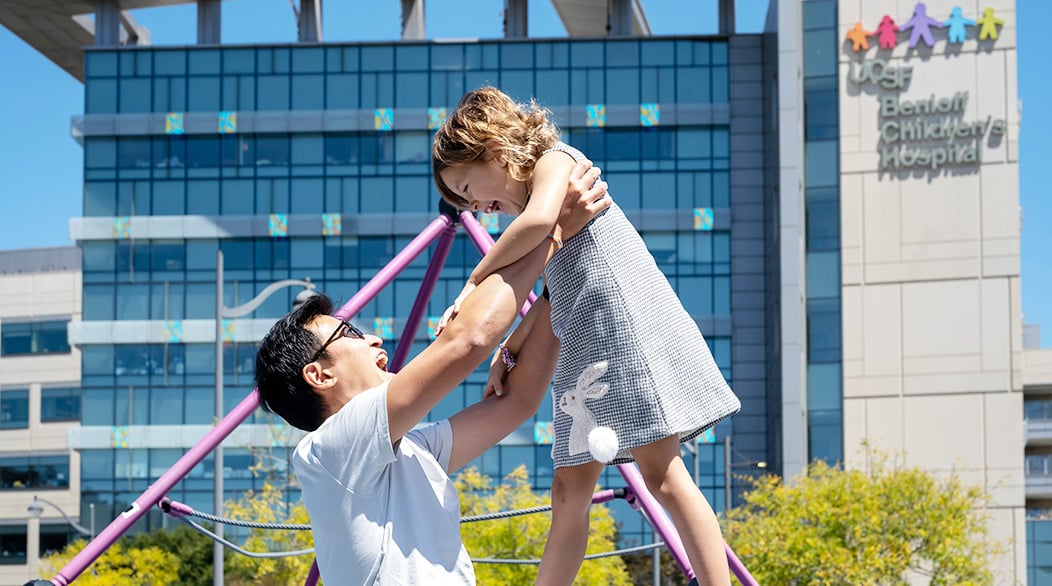
Astrid's conditioning was successful. On the day of her stem cell transplant, her dad lay in a hospital bed two doors down, having been identified as the best bone marrow donor for his child. Dvorak's team carefully monitored Astrid, as Richard's blood slowly infused hers.
A full recovery and return to normal
A year after the transplant, Astrid's immune system had recovered and was making healthy stem and blood cells. But it wasn't until that holiday season that her dad felt she was completely herself again. At home, crayon and glitter artwork by Astrid and her sister, Emory, brightened the Kings' refrigerator, a testament to their family life returning to normal.
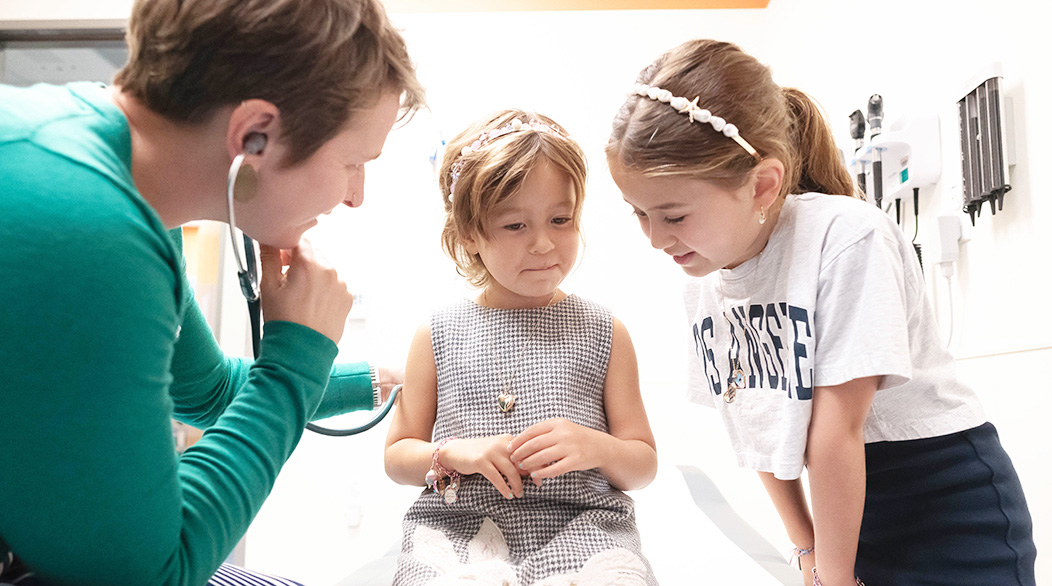
After Astrid's checkup at 6 years old, the family celebrated: No sign of cancer or long-term toxicity was found. The checkups bring the Kings hope for a future full of movie nights and dance parties – and free of cancer.
"Looking back, I hope this is only a small detour in her life and she gets to do everything a kid her age should do," said Richard. "Astrid deserves the chance to have normal childhood experiences, like going to dance, softball and piano – not worrying about cancer."