
















Myopia Control Clinic
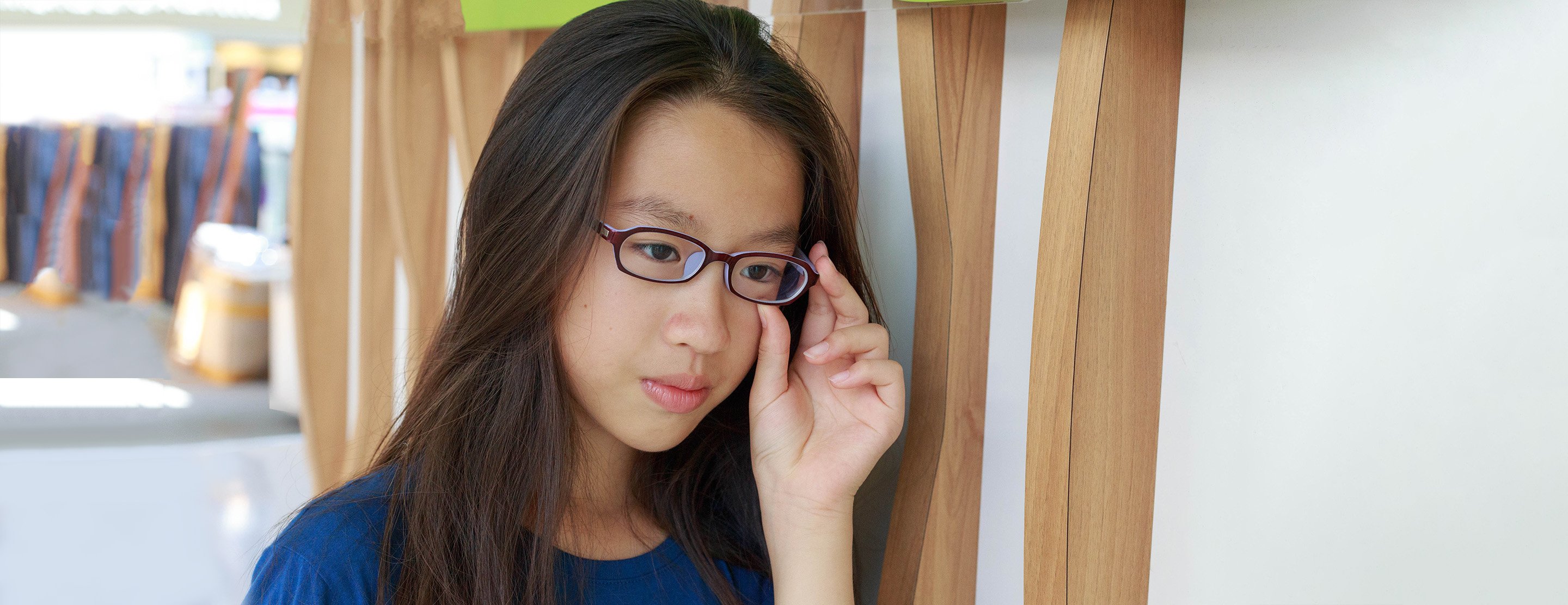
UCSF's pediatric Myopia Control Clinic provides expert care for children of all ages and young adults who are nearsighted. In this common vision problem, also called myopia, light doesn't focus correctly on the eye's retina, making close objects look clear while faraway objects look blurry. This condition occurs when the eye grows too long, which can lead to complications that impact sight. Our team of optometrists, ophthalmologists and technicians aims to prevent or slow the progression of your child's myopia through collaborative care based on the best and most current research.
Treatments for your child's myopia may include myopia control glasses (such as the FDA-approved Stellest lenses), multifocal contact lenses (such as the FDA-approved MiSight lenses) or an eye-drop regimen using low-dose atropine (a prescription medication). We may additionally recommend behavior modifications as part of your child's treatment plan. We also partner with the UC Berkeley Myopia Control Clinic to provide corneal reshaping therapy, or orthokeratology, a nonsurgical method of reshaping the cornea using rigid gas-permeable lenses while sleeping to improve vision. If your child has seen an eye care provider within the previous six months, you have the option of making a virtual appointment. Otherwise, you'll need to schedule an in-person appointment. Come prepared for your visit with a history of prescriptions and eye exam records, if possible, for your child's glasses.
For information about eyewear, please visit our pages for the Augie Optical Dispensary, Vision Optical at Parnassus and the Optical Dispensary – Mission Bay Illinois St.
Our locations (2)


Awards & recognition
-

Ranked among the nation's best in 11 specialties
Plan your visit
What to Bring
- History of prescriptions for your child's glasses
- Photo I.D.
- Health insurance card
- Insurance authorization, if required
- Doctor's referral, if required
- Recent test results related to your child's condition
- Be prepared to discuss your child’s typical hobbies and activities
- List of medications, including dosages, plus any your child is allergic to
- List of questions you may have
- Device or paper for taking notes
Learning never stops
Our classroom and bedside classes help kids get credit and keep learning during treatment.
See our school program