


























Skip to Main Content
Luis Savastano

Luis Savastano

MD, PhD

Vascular and endovascular neurosurgeon

Dr. Luis E. Savastano is a vascular and endovascular neurosurgeon who cares for patients with conditions involving arteries or veins of the brain, neck or spine. He has experience in both minimally invasive microsurgery and endovascular techniques, and the conditions he treats include brain aneurysms, Moyamoya disease (a rare disorder that causes major blood vessels leading to a child's brain to narrow), arteriovenous malformations (abnormal tangles of arteries and veins in the brain that can rupture) and carotid artery disease.

In his research, Savastano develops minimally invasive technologies and techniques to better diagnose and treat cerebrovascular diseases (those affecting blood flow to the brain). He has pioneered several endovascular devices and techniques to improve outcomes for patients with these conditions.

Savastano earned his medical degree at National University of Cuyo in Argentina, where he also earned a master’s degree in anatomy and a doctorate in medicine. He completed a residency in neurosurgery and a fellowship in neurointerventional radiology at the University of Michigan. Before joining the UCSF faculty, he was an assistant professor of neurosurgery and radiology at the Mayo Clinic in Rochester, Minnesota.

  • Board Certifications

    American Board of Medical Specialties, Neurological Surgery

  • Fellowships

    University of Michigan Medical Center - Ann Arbor, Neurointerventional Surgery

  • Residencies

    University of Michigan Medical Center - Ann Arbor, Neurological Surgery

    Beth Israel Deaconess Medical Center GME, Cerebrovascular Surgery

  • Degree

    MD, Universidad Nacional De Cuyo Facultad De Ciencias Medicas

My work

After a-fib and a stroke, he’s back on his bike

When Gary – with a history of atrial fibrillation – had a life-threatening stroke, Dr. Savastano and his experienced team performed an embolectomy. Gary made a full recovery.
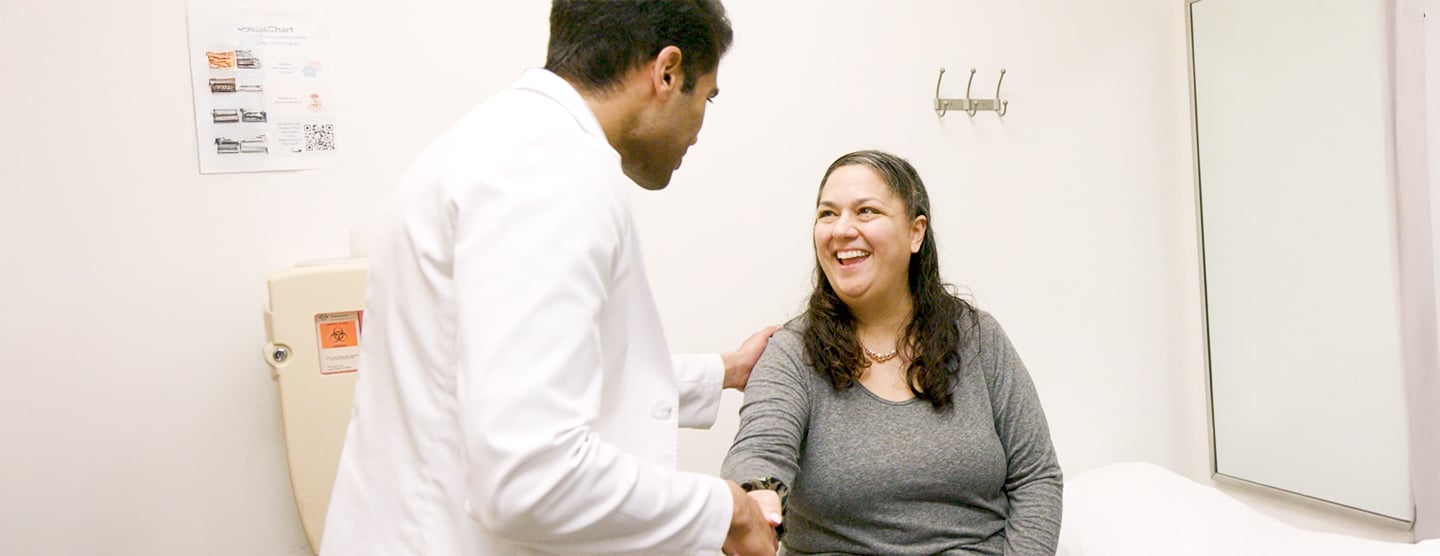
Moyamoya disease treatment options

In this rare condition, the main vessels supplying blood to the brain are narrowed or blocked. Our experts, including Dr. Savastano, explain surgical and nonsurgical options for patients with moyamoya.

Saving future lives

500+ UCSF investigators are researching cures for hundreds of childhood and adult diseases.

Share