
























Fast facts
- A concussion is a brain injury.
- Concussions can happen in any sport.
- You can get a concussion without being knocked out.
- Even mild concussion symptoms should be evaluated by a health care professional.
- Detecting and treating a concussion when it first occurs can help prevent further injury.
- Even if diagnosed late or initially mistreated, most patients fully recover with proper treatment.
What is a concussion?
A concussion is a type of brain injury that occurs when a blow to the head, neck or body causes the brain to move quickly back and forth within the skull. In kids and teenagers, sports injuries are the most common cause of concussion. People who've had a concussion in the past are at higher risk of having another one.
Symptoms can begin right after the injury, or they may not develop for hours or days or until the demands of regular life are resumed. If a child reports any symptoms of concussion, or if you notice the symptoms yourself, seek medical attention right away.
The USCF Pediatric Sports Concussion Program specializes in evaluation, diagnosis and management of all sports-related concussions in young athletes. Our team of experts can determine the severity of your child's concussion and advise you on when they can safely return to their regular activities, including sports and school.
How do I check for a concussion?
Concussion signs and symptoms are different for each person and from one injury to the next.
Symptoms reported by kids
Common symptoms include:
- Headache or feeling of pressure in head
- Nausea or vomiting
- Balance problems or dizziness
- Double or blurry vision
- Sensitivity to light
- Sensitivity to noise
- Feeling sluggish, hazy, foggy or groggy
- Concentration or memory problems
- Confusion
- Feeling sad or "just not feeling right"
- Sleep changes (sleeping more or less than usual, difficulty falling asleep)
Signs observed by parents, guardians or coaches
If a child has experienced a bump or blow to the head, neck or body during a game or practice, look for any of the following:
- Complaints of headache
- Dazed or stunned appearance
- Confusion about assignment or position
- Forgetting an instruction
- Being unsure of game, score or opponent
- Clumsy movements
- Slow response to questions
- Loss of consciousness (even if brief)
- Mood, behavior or personality changes
What to do if you think you have a concussion
Tell someone. Ignoring your symptoms and trying to "tough it out" often makes symptoms worse. Tell your coach, athletic trainer and parents if you think you or one of your teammates may have a concussion. Don't let anyone pressure you into continuing to practice or play with a concussion.
Get checked out. Only a health care professional can tell if you have a concussion and when it's okay to return to play. The sooner you get checked out, the sooner you may be able to safely resume playing. Sports have injury timeouts and player substitutions so that you can get checked out immediately. Ultimately, that helps ensure that the team can perform at its best.
Rest and get better so your brain can recover. Accept that a concussion can affect your ability to participate in sports, school and other activities. Most athletes with a concussion get better and return to sports, but it is important to rest and give your brain time to heal. A repeat concussion that occurs while your brain is still healing can cause long-term problems.
What to do if you think your child or player has a concussion
Seek medical attention right away. If treated correctly, eighty to ninety percent of people with a concussion recover within three weeks of their injury, although each child recovers differently. Getting prompt help from a medical specialist who is trained in recognizing and managing concussion may improve recovery.
Keep the child out of play. Concussions take time to heal. Don't let the child return to play until a health care professional says it's okay. Children who return to play too soon — while the brain is still healing — risk a greater chance of having a repeat concussion. Repeat concussions are serious and can cause permanent brain damage.
Alert all the child's coaches. Coaches should know if your child had a concussion. They may not be aware of a concussion your child suffered in another sport or activity unless you tell them.
When to seek emergency care
Although rare, a jolt to the head or body can cause blood to collect in the brain. This requires immediate medical attention. Look for these warning signs.
Tips to aid recovery
While waiting to be evaluated by a concussion specialist, it's critical that you take the following steps to avoid further injury and help your brain heal:
- Get plenty of sleep and rest.
- Stay well hydrated by drinking plenty of fluids.
- Write down things that may be harder than usual to remember.
- Focus on doing one thing at a time if you're easily distracted. For example, don't try to watch TV while eating dinner.
Restricted activities
- No sports, school or recreational activities until a concussion specialist gives you clearance to resume these activities. Avoid all other physically demanding activities, such as heavy housecleaning.
- No activities that require a lot of concentration, including sustained computer use or playing video games.
- Do not drive a car, ride a bike or operate heavy equipment until after a concussion specialist gives you clearance. This is because your reaction time may be slower after a concussion.
- Be aware that consuming alcohol or drugs may slow recovery and put you at risk of further injury.
Treating physical symptoms
Is it safe to take ibuprofen or other pain relievers with a concussion?
- Do not use ibuprofen (Advil, Motrin) or naproxen (Aleve) for the first 48 hours for your child's concussion headache. There is a potential risk of increased bleeding in the brain from these non-steroidal anti-inflammatory drugs (NSAIDs), so if your child has a brain bleed from the concussion, this could make things worse.
- You may use acetaminophen (Tylenol) to help decrease the headache or other pain. After the first 48 hours, NSAIDs may be used to help with concussion headaches. Contact your child's healthcare provider for any medication concerns.
Returning to activities after a concussion
You can gradually resume your normal routine only when your symptoms have reduced significantly and your health care professional has given their OK. Sometimes, people find that their symptoms come back, or they develop new symptoms. This is a sign that you are doing too much, too soon. Stop and take more time to rest and recover. As the days go by, you can expect to gradually feel better.
Parents should not let their child return to sports, physical education class or active play (including at home), until a health care provider experienced in managing concussions has given their approval. However, the child doesn't have to wait until all concussion symptoms are gone before starting some light exercise, such as taking walks, as long as the symptoms don't get worse. In fact, new guidelines recommend mild aerobic activity for reducing recovery time from sports-related concussions.
How to help prevent a concussion
Athletes
- Follow your coach's rules for safety and the rules of the sport.
- Always practice good sportsmanship. It reduces risky behaviors and creates a safer environment.
- If you’re worried that you or a teammate might have a concussion, report it to your coach, athletic trainer or team doctor.
Parents
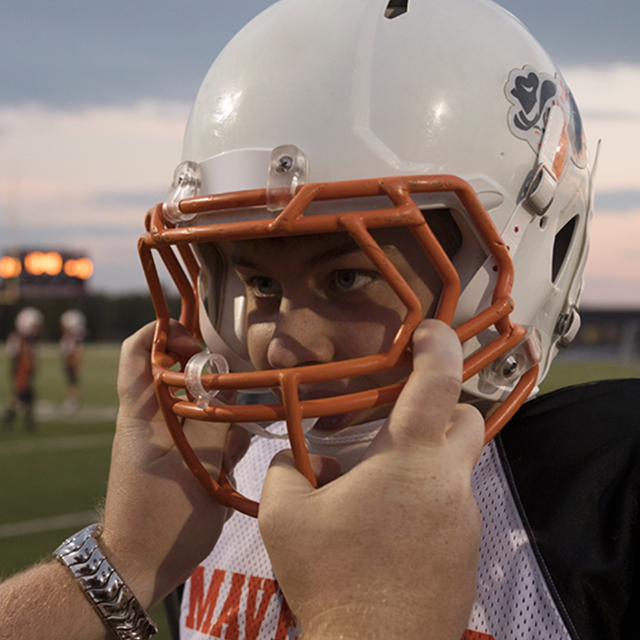
- Make sure your child wears the right protective equipment for their activity. Make sure it fits properly and is well maintained.
- Wearing a helmet is essential to reduce the risk of a serious brain injury or skull fracture. Bear in mind, though, helmets aren't designed to prevent concussions. There is no such thing as a "concussion-proof" helmet.