



























Lysosomal Storage Disease Center
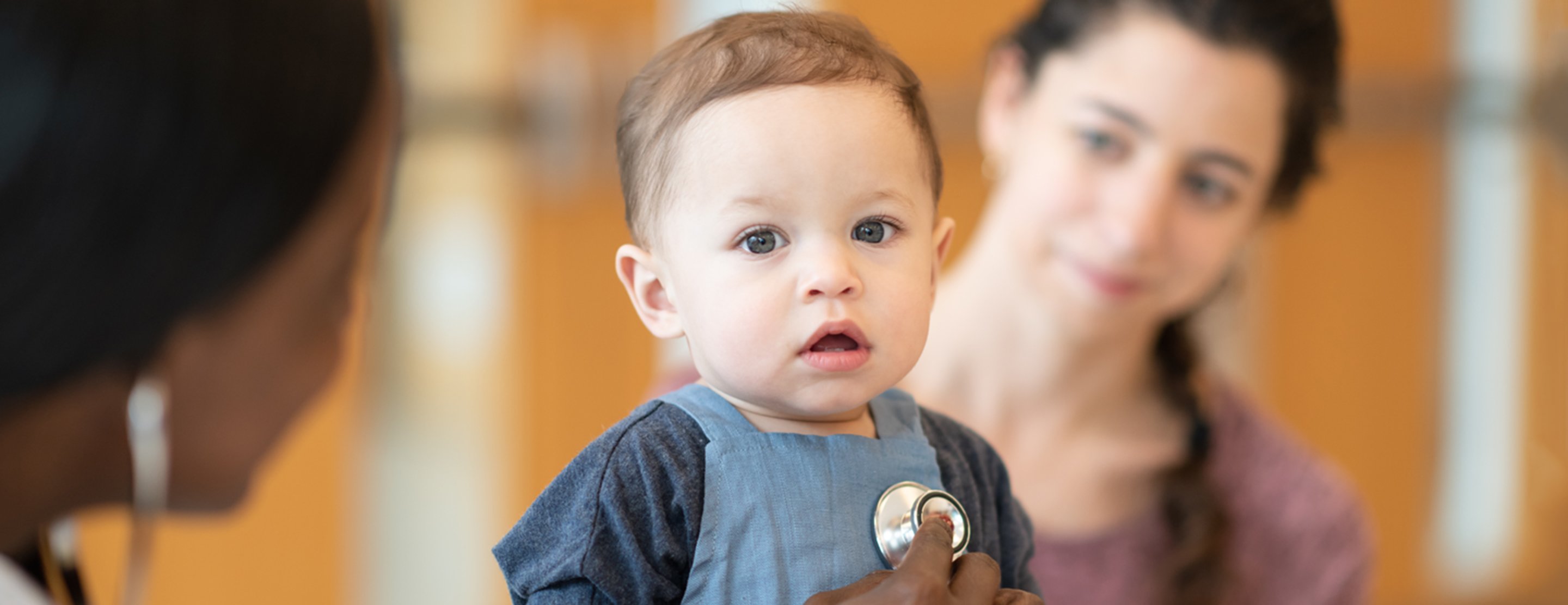
The Lysosomal Storage Disease Center provides comprehensive care to children, teens and adults and their families living with lysosomal disease, which includes about 50 rare inherited metabolic disorders. Our center offers consultations, evaluation, testing, and diagnosis and treatment of these disorders, with a special focus on Gaucher disease, Fabry disease and Hunter syndrome.
Lysosomal storage disorders are caused by defects of the lysosomes, parts of a cell that break down fats and carbohydrates so the body can recycle them. Without the work of digestive enzymes that lyosomes contain, toxic substances build up and can damage bodily tissues and organs over time. Symptoms of lysosomal storage disease vary in severity, depending on the particular missing enzymes and other factors such as age of diagnosis, but can include developmental delays, movement disorders, seizures, dementia, deafness, blindness and lung and heart problems.
Because these diseases affect many different systems in the body, our team includes specialists in a variety of disciplines, and we work closely with other UCSF experts as needed.
Our locations (1)

Awards & recognition
-

Ranked among the nation's best in 11 specialties
Plan your visit
What to Bring
- Photo I.D.
- Health insurance card
- Insurance authorization, if required
- Doctor's referral, if required
- Recent test results related to your child's condition
- List of medications, including dosages, plus any your child is allergic to
- List of questions you may have
- Device or paper for taking notes



Support services











Clinical trials

VIrtual STudy in Achondroplasia for the US (VISTA)
sitting and standing measured in centimetres
Recruiting
More about this studyOur research initiatives
Soothing the soul
Our music therapy program nurtures patients with bedside serenades, rap workshops and more.
Find out more