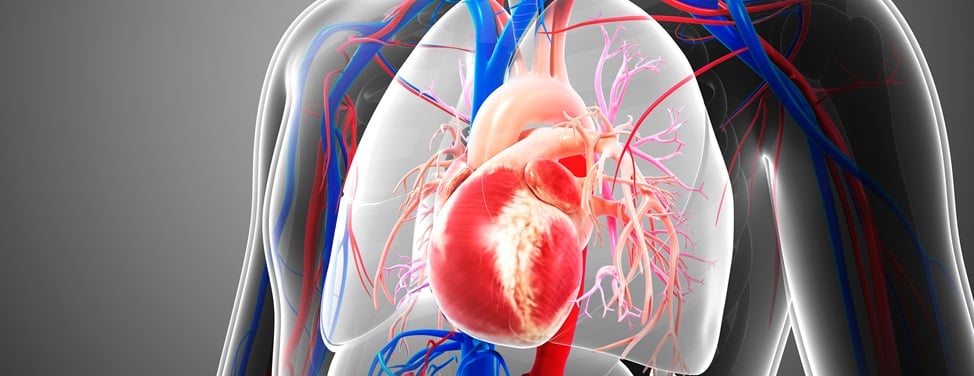




























A pacemaker is most often used for children with a type of arrhythmia in which heart rhythms are too slow. Surgically implanted, the device follows your child's heart beat and makes sure it doesn't fall below a certain rate. The procedure to implant a pacemaker usually requires at least a 24-hour hospital stay.
Preparation
We recommend that you contact Child Life Services to help prepare your child for the hospital experience. Child life specialists can lessen any fears or anxiety your child is feeling by explaining procedures and equipment with age-specific teaching tools.
Because patients receive general anesthesia for the procedure, your child will not be able to eat or drink for eight hours before the pacemaker surgery. Your doctor will tell you exactly when your child should stop eating solid foods and drinking clear liquids. It is extremely important that your child have an empty stomach before receiving sedation for the procedure.
If your child appears ill, has a fever, cold, cough, vomiting, diarrhea, diaper rash or has recently been exposed to chicken pox, the pacemaker procedure may be postponed. Please call your doctor's office prior to the scheduled procedure date to discuss any symptoms your child may have.
Sometimes blood thinner medications are stopped prior to the pacemaker procedure. If your child takes aspirin, warfarin or other blood thinners, please discuss this with your doctor. Avoid giving ibuprofen for the week before the procedure.
The procedure
Plan to arrive early the morning of the procedure.
Before the procedure, a nurse will check your child's temperature, pulse rate and blood pressure and will give your child pajamas or a hospital gown to wear while in the hospital.
Sedation will be given to your child before and during the pacemaker surgery. During the procedure, you will be contacted on your mobile phone or through a pager that we provide in order to give you updates.
Depending on your child's age, size and the type of pacemaker to be implanted, the procedure will be performed either in the operating room or in the electrophysiology (EP) lab procedure room. Generally, epicardial pacemakers (those placed on the outside of the heart) are placed by the surgeon in the operating room. Transvenous pacemakers (those placed inside the heart) are placed by the electrophysiologist in the EP lab. The pacemaker procedure usually takes four to six hours.
The area where the pacemaker will be implanted will be washed with a yellow antiseptic soap. Your child will be covered with sterile drapes and given general anesthesia to ensure comfort. The doctor will inject a local anesthetic to numb the area where the pacemaker will be implanted. Nurses and doctors will closely monitor your child at all times.
The pacemaker is made of two main parts: the leads and the generator. The leads are thin wires that connect the heart with the generator. The leads can be attached to the surface of the heart or passed through a vein inside the heart. The lead is then attached to the generator. The generator is a small metal case that includes a battery and a microcomputer, which is the "brain" of the pacemaker. The generator is placed under the skin in the upper chest or abdomen.
At the end of the procedure, stitches are placed under the skin to seal the wound and a dressing placed over the wound. The stitches will be absorbed as the wound heals.
Recovery
After the pacemaker is implanted, your child will be first taken to the recovery room and then to a hospital room. Your child may be sleepy and will be asked to lie in bed for several hours. When awake, your child can drink clear liquids and later have something to eat. In most cases, your child will return home the following morning.
Before leaving the hospital, you'll receive a temporary identification card that contains important information about the model and serial number of your child's pacemaker. Within several weeks, you'll receive a permanent card in the mail from the pacemaker manufacturer. This card should be kept with you and your child at all times.
Before you and your child go home, please make sure you receive the following materials from your child's doctor or nurse:
- Pacemaker informational brochures
- Follow-up appointment information
At-home recovery
Please adhere to the following instructions to ensure your child has a smooth recovery.
Wound care
The dressing over the pacemaker will be removed the day after the procedure. Your child will go home with loose, dry gauze and some tape over the surgical site. There will be some skin glue on the incision to help with healing. Absorbable sutures are located beneath the skin and do not need to be removed.
The best treatment is to keep the wound clean and dry. No ointments or creams should be used. Sponge baths are allowed, but the pacemaker site should be kept dry. If your child is allowed to shower, the surgical area should be kept away from the shower head and the incision should not be allowed to get soaked.
Although your child will be given antibiotics during and after the procedure, it is important to watch for signs of infection. These signs include redness, swelling, increased pain, drainage or fever. If these occur, please notify your child's doctor immediately.
Activities
Limit any strenuous activities for six weeks. During this time, it is important for patients with pacemakers implanted in the chest to avoid lifting the elbow above the shoulder on the side of the pacemaker. Before leaving the hospital, discuss activity guidelines and restrictions with the doctor or nurse.
Interference with the device
Inform your child's doctors and dentist about the pacemaker.
Microwave ovens and other appliances that are in good repair will not interfere with your child's pacemaker. Computers, hair dryers, power tools, radios, televisions, stereos, electric blankets and cars also won't interfere with a pacemaker.
A few things, however, might cause interference. These include very strong magnets such as those used for MRI scans, heavy-duty electrical equipment such as arc welders, and certain surgical instruments.
When traveling, a patient with a pacemaker should not go into any metal detectors at the airport and should avoid the hand-held wand metal detector since these devices contain strong magnets that may interfere with the pacemaker. Ask that your child be hand-searched instead. You may need to show a pacemaker identification card to security personnel.
Cell phones and other small electronic devices are unlikely to interfere with pacemaker function but avoid holding them directly over your child's pacemaker.
Follow-up appointments
Your child's first follow-up appointment should occur one to two weeks after the procedure. This appointment should be made with the Pediatric Heart Center at UCSF Benioff Children's Hospital or with the doctor who referred you to UCSF.
At the clinic appointment, the doctor and nurse will examine your child's wound and may check the pacemaker. Feel free to ask any questions you or your child may have concerning pacemakers.
Your doctor will determine future follow-up appointments.