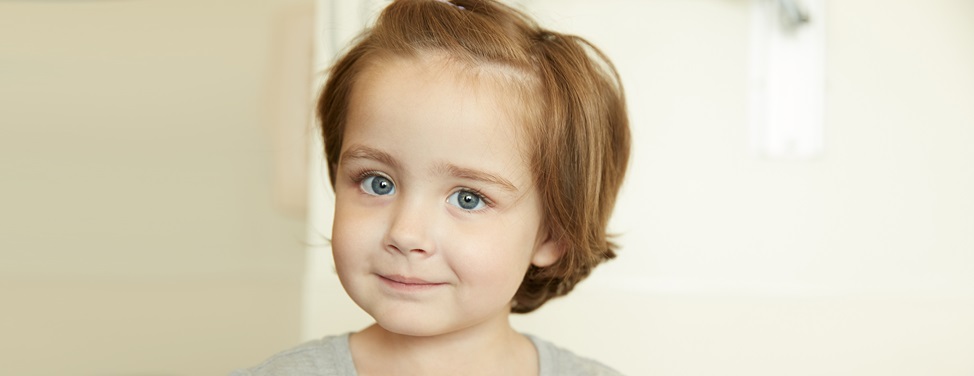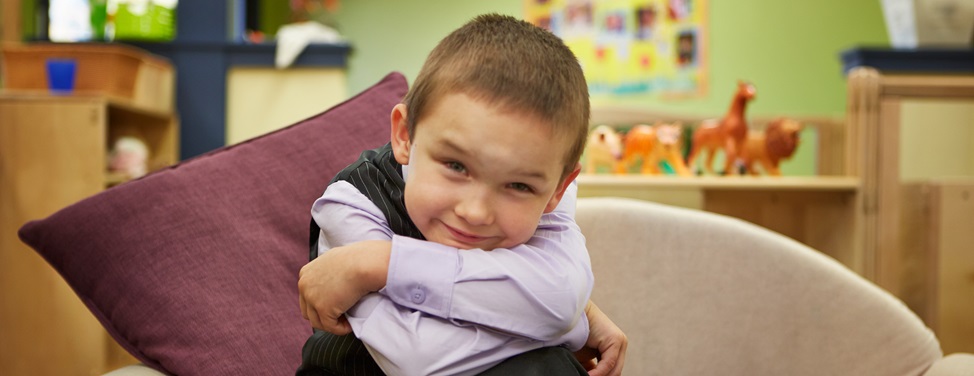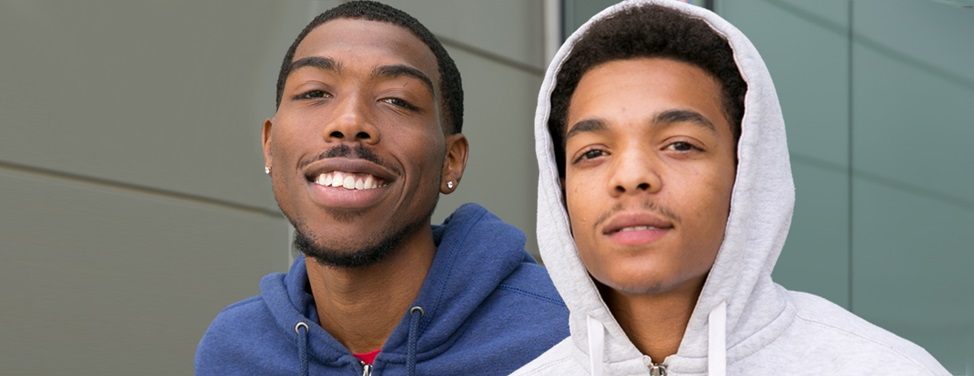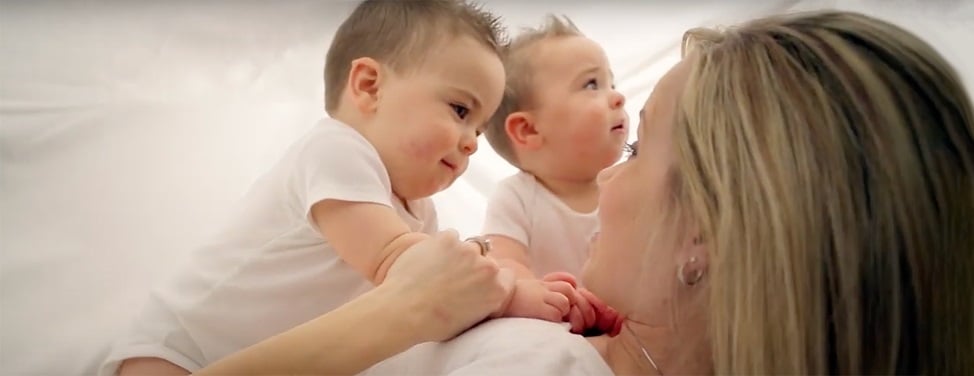


























Watching 11-year-old Weston Williams ride his unicycle or three-year-old Delaney Williams play, one would never suspect that brother and sister were born with a serious, life-threatening heart condition that causes an abnormally slow heartbeat.
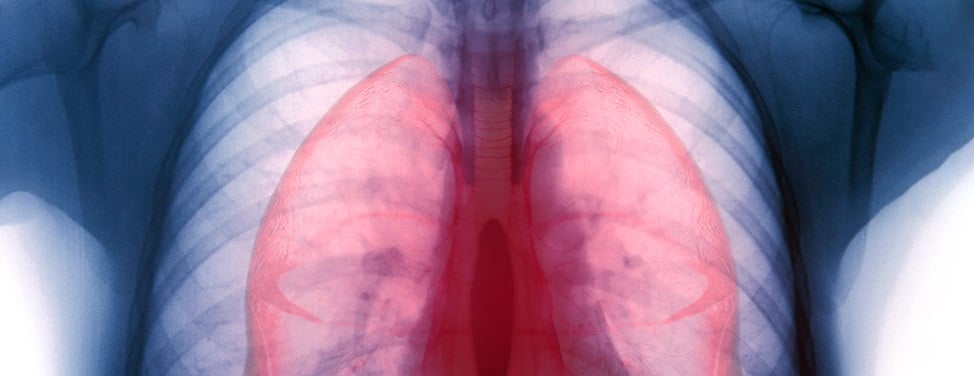
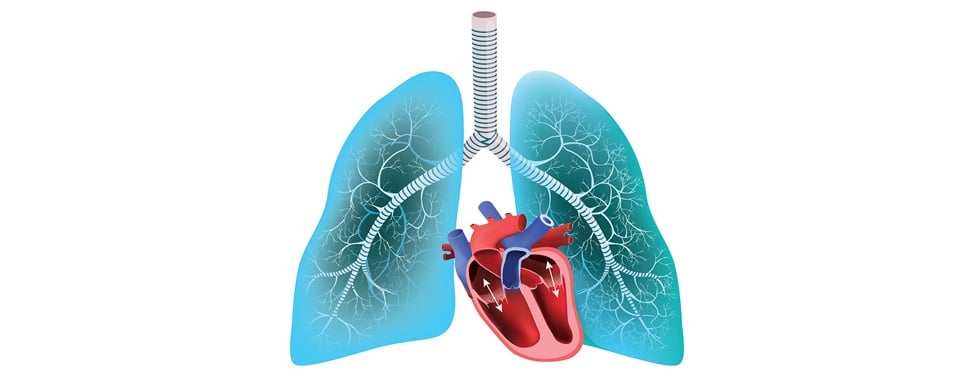
Complete congenital heart block occurs when the electrical impulses that make the heart beat do not transmit normally. It affects the heart's ability to pump blood and the body's blood pressure, which may put a baby at serious risk for cardiac arrest.
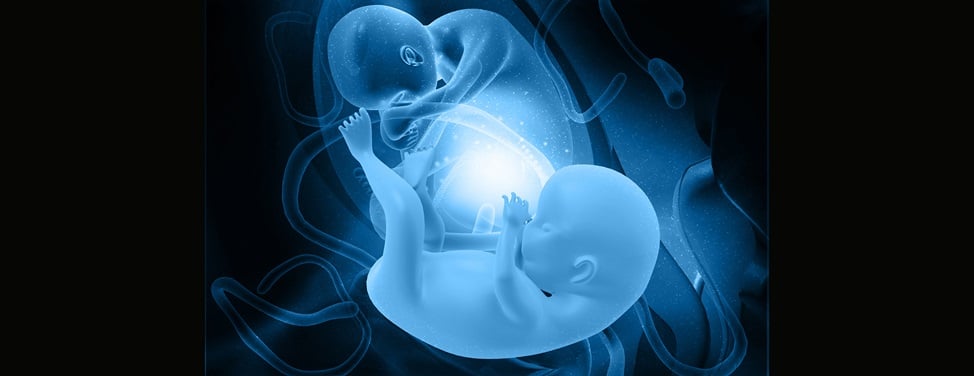
The condition was first detected in Weston before he was born, during a six-month routine prenatal check-up. The doctor couldn't hear his heart rate and an ultrasound showed that it had dropped significantly. Michelle's blood was tested for a type of antibody that can cause congenital heart block in unborn babies, though the results were negative.
"Being my first pregnancy, having something wrong with the baby was the worst thing that could happen," remembers Michelle. "It was very scary because there were a lot of unknowns. We weren't sure at the time what had caused the condition."
Weston was closely monitored until he was born in Sacramento, Calif. at Kaiser Permanente Hospital. His pulse rate was 70 beats per minute, half the normal heart rate of a newborn. Doctors told Michelle that if Weston's heart rate stayed at 70, a medical intervention would not be necessary.
Once every few months, for a 24-hour period, Weston wore a Holter monitor a small portable machine that records a person's heartbeat onto a tape. Weston's heart appeared to sustain 70 beats per minute until one night when he was three-years-old. The Holter monitor detected that when Weston was asleep, his heart had failed to beat for three seconds.
Michelle and her husband, Terrell Williams, brought Weston to the Pediatric Heart Center at UCSF's Children's Hospital for a consultation with pediatric heart specialist Dr. Parvin Dorostkar and pediatric electrophysiology nurse Nancy Chiesa.
"Even though it was only one episode that we knew about, the fear was that if the pause in Weston's heartbeat was any longer or happened more often, oxygen might not get to his brain," says Michelle. "Dr. Dorostkar and Nancy recommended a pacemaker to prevent this from happening."
Though pacemakers are often associated as a treatment for adults, they are also implanted in children with life-threatening heart conditions like Weston and Delaney's. The pacemaker constantly monitors Weston's heartbeat. When it does not sense an electrical impulse from Weston's heart, it sends out a signal to stimulate his heart to beat.
Weston's first pacemaker was implanted at UCSF in July 1998. And although the device's battery was still functioning, he had outgrown it and had a new pacemaker implanted at UCSF in May 2006. The device has allowed Weston to be a normal, healthy eleven-year-old boy, who swims, rollerblades, plays soccer, rides his unicycle and likes to "rough house."
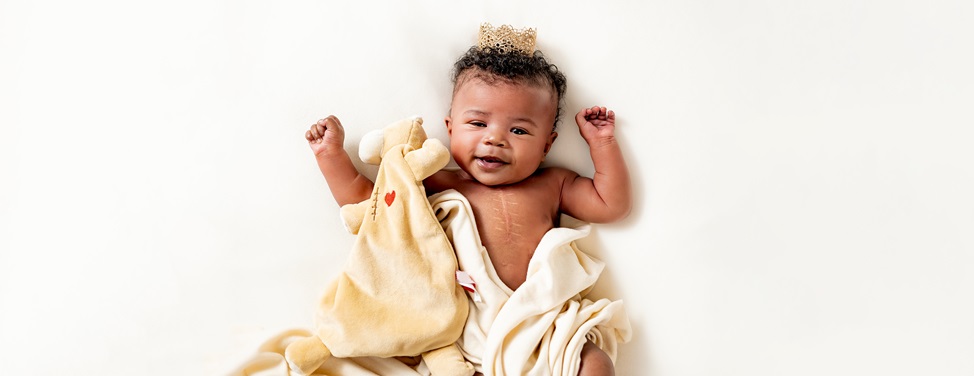
And Weston's younger sister, Delaney, had her pacemaker — the smallest model available — implanted at birth by UCSF pediatric heart surgeon Dr. Anthony Azakie. Delaney's heart block was detected during a prenatal ultrasound performed at 20 weeks.
"We were really surprised that Delaney also had heart block," says Michelle, whose second pregnancy with son Kalon, now eight-years-old, was completely normal. "And her situation seemed more severe than Weston's because a couple of times during pregnancy, she almost had heart failure and the walls of her heart were really thick."
To determine the cause of Delaney's condition, Michelle's blood was tested again for the antibody that can result in congenital heart block. This time, the results were positive. When she was tested the first time during her pregnancy with Weston, the ratios of the antibody in her blood were too low to be detected.
Michelle was put on a steroid that helps block the effects of the antibody on the baby during development. Delaney's heart walls began to thin and though her heart rate was still low, it sustained itself throughout pregnancy. Delaney was born at 37 weeks at UCSF and one day later had her first pacemaker implanted. Her second pacemaker was implanted in May 2005.
"Looking at Weston and Delaney, you would never imagine that they have a little help with their hearts," says Michelle. "We're just so thankful that the technology is available and we received such wonderful care at UCSF."
Story written in August 2006.
Abby Sinnott is a freelance writer in San Francisco.

Arrhythmia Center
400 Parnassus Ave., Second Floor
San Francisco, CA 94143
Phone: (415) 353-2008
Fax: (415) 353-2334