

























University of California San Francisco | About UCSF | UCSF Medical Center
Search Site | Find a Doctor

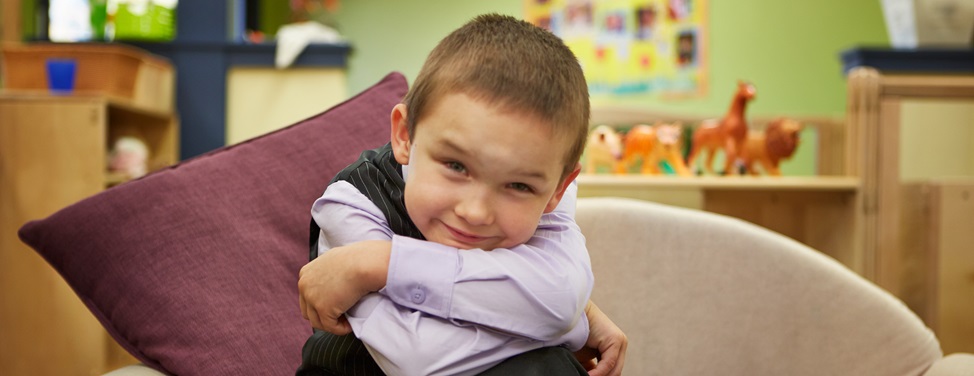
Liam Watters

Decades of Discoveries in Neonatal Care Help Countless Kids

By Janet Basu

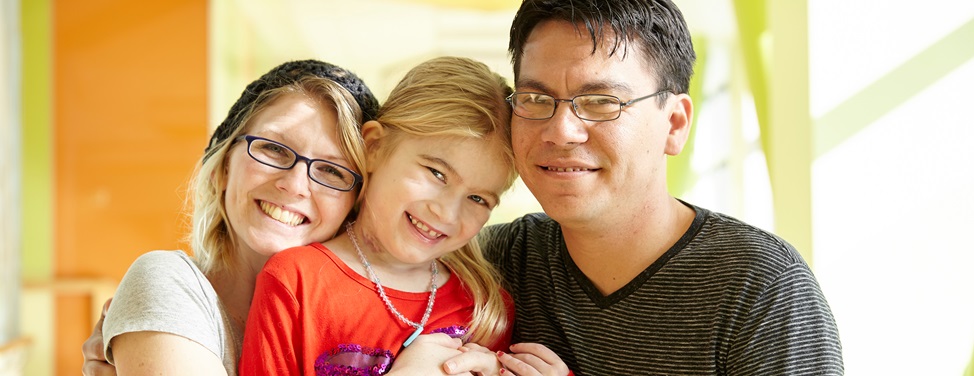
Every breath Liam Watters took was partly thanks to the life-saving advances pioneered at UCSF.

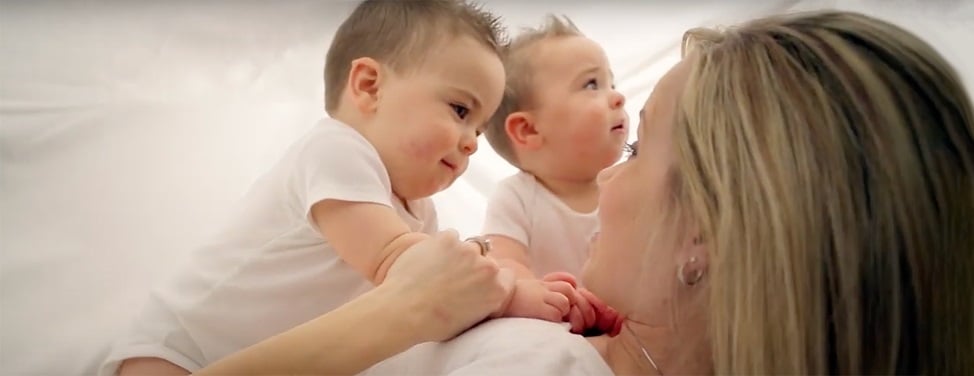
Liam entered the world two and a half months early, weighing only three pounds. He was a high-risk, premature baby. But he could breathe on his own.

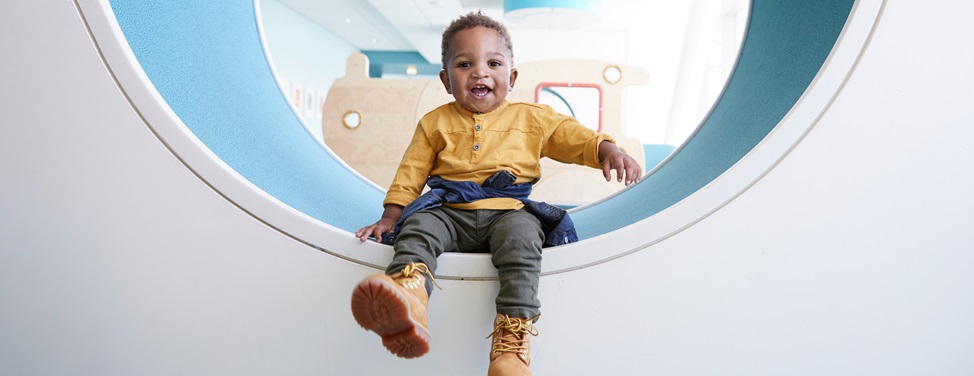
It was a far more complicated story when Carter Keltner was born 35 years ago, almost at full term and weighing just over eight pounds. He had to fight for every breath.

The difference between Liam and Carter is the result of four decades of discoveries in neonatal intensive care — including one that centered on Carter, now an international businessman.

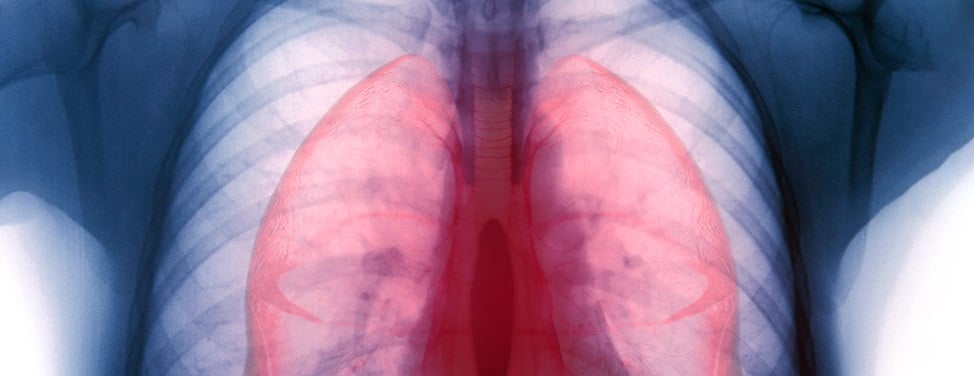
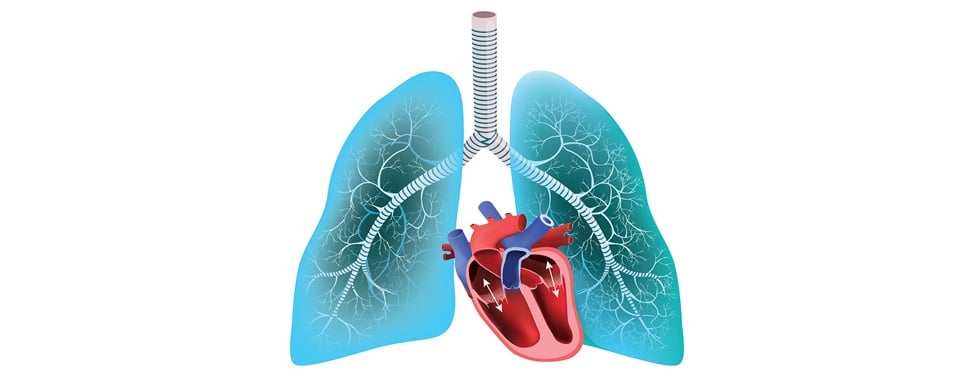
UCSF's Neonatal Intensive Care Unit, or NICU, was started in 1964 as a response to the very condition that made Carter struggle to breathe. The tiny round chambers that made up the lining of his lungs — the alveoli — would flatten like deflated balloons as he tried to exhale. Each intake of breath was a massive effort to force the alveoli to re-open.

Carter was suffering from respiratory distress syndrome (RDS) — a condition that killed nearly 40,000 US babies a year during the 1960s. A three-pound infant born at UCSF the same year as Carter would have had a one-in-four chance of dying of RDS, and survival could have meant severe disabilities.
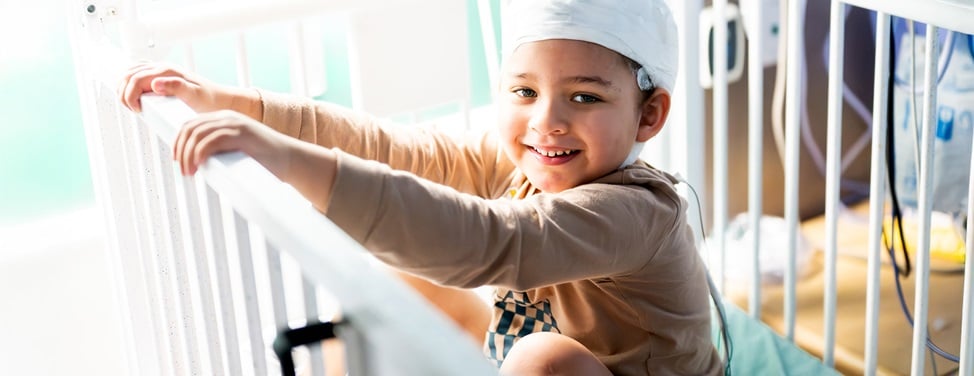
A fundamental discovery by UCSF's award-winning scientist Dr. John Clements in the late 1950s gave pediatricians the key to the cause and saved untold lives in the process. Newborns with RDS — mostly premature infants couldn't produce surfactant, the soapy substance that normally provides surface tension to prevent lungs from deflating with every exhalation.

In the early 1960s, attempts to help these babies breathe led to the then-startling discovery that they were more likely to survive if they were carefully watched by nurses, using scientific monitoring methods borrowed from research. The nurses and neonatal doctors were able to intervene immediately if a baby showed distress. Thus the concept of a neonatal intensive care unit was invented at UCSF and a handful of other university medical centers.

Those early NICUs saved lives, but nothing that neonatologists tried could save a baby with severe RDS. Dr. George Gregory, one of Carter's doctors, remembers the turning point. Gregory realized that if he gave air through a breathing tube and did not release the air pressure as the lungs breathed out, the alveoli should stay inflated. With his parents' permission, Carter became the first baby to receive continuous positive airway pressure (CPAP).

Carter began to breathe more easily, and so did other babies with RDS. After the introduction of CPAP, UCSF's intensive care nursery showed a 15 percent to 25 percent improvement in survival of premature infants, results that were reflected around the world as clinicians started using CPAP.

In the 1980s, Clements and colleagues developed an artificial surfactant to keep RDS babies breathing until they could produce surfactant on their own. In the United States and other developed countries, newborn deaths due to RDS declined further — by about 50 percent.

Breakthroughs such as these benefited Liam and countless others. Liam's mother, Kirsten, was sent to UCSF Center for Mothers and Newborns by helicopter after her doctors in Monterey diagnosed preeclampsia — a blood pressure condition that threatens a pregnant woman's life.
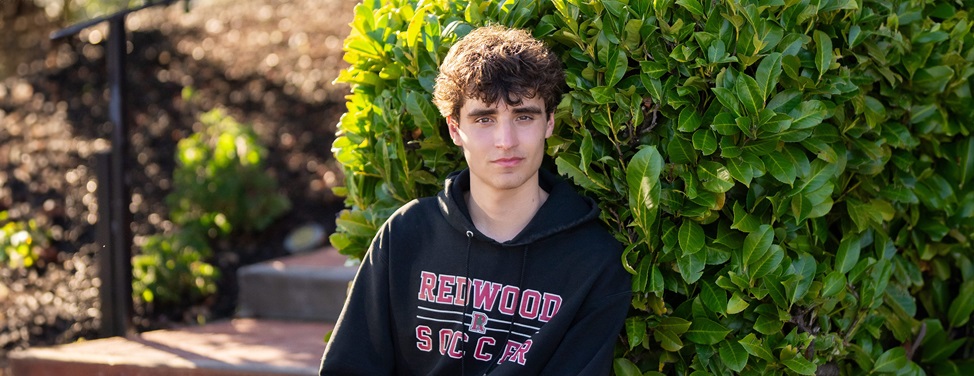
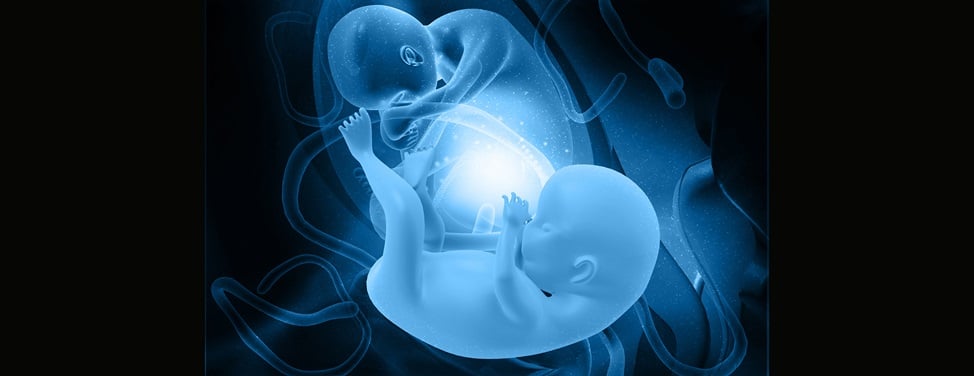
When Liam arrived a week later on Feb. 5, 2003, it was only the 31st week of her pregnancy, yet he never suffered from RDS and never needed a breathing tube. Instead, Kirsten's doctors took preventive measures such as giving her steroid drugs to stimulate the fetus to begin producing surfactant in his lungs, months earlier than usual for a full-term baby. And upon delivery, Liam did not even need artificial surfactant — just a small mask over his nose that delivered a gentle form of CPAP. But from the start he was doing the real work of breathing on his own.

Kirsten's husband, George, vividly remembers giving Liam his first bath. "Liam was so small he fit in the palm of my hand. The doctors told us that he had certain hurdles to pass. But I never felt I had to worry about him at all."

Today, prematurity remains a health concern, but most preemies survive and are healthy, thanks to improved care for infants and moms with high-risk pregnancies. Most mothers have access to intermediate and community neonatal intensive care units that can care for all but the most fragile newborns. At UCSF Benioff Children's Hospital, where the NICU concept was born, the regional (or level IV) NICU continues to treat very small preemies like Liam, and other babies with complicated conditions. Its doctors, nurses and staff continue to find the answers to keep the most seriously ill patients alive and well.

Story written in October 2004.

Related Information

UCSF Clinics & Centers

Critical Care

Intensive Care Nursery
505 Parnassus Ave., Fifteenth Floor
San Francisco, CA 94143-0210
Phone: (415) 353-1565
Fax: (415) 353-1202

Conditions Treated