

























University of California San Francisco | About UCSF | UCSF Medical Center
Search Site | Find a Doctor

Anna Tavistock

A Life-Threatening Pregnancy

By Abby Sinnott

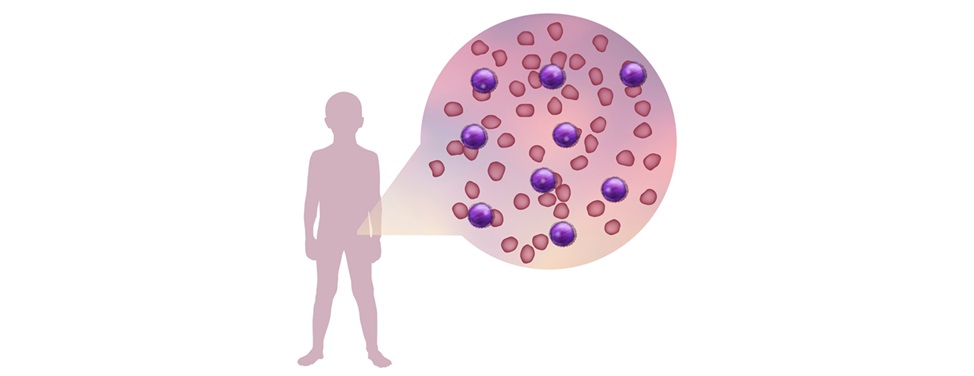
When Anna Tavistock, a 30 year-old mother in Berkeley, Calif., was pregnant with her third baby, she contracted a common childhood virus called parvovirus B19.

"I was two months pregnant and extremely exhausted and nauseus, which I thought were just pregnancy symptoms. I also had a rash after I'd take a bath, which I assumed was a heat rash," remembers Anna. "But then my nephew started having a similar rash on his cheeks and was diagnosed with parvovirus B19."

Around 50 percent of pregnant women have already had parvovirus B19 as a child. Therefore, these women and their unborn babies are immune to the virus and protected from infection and illness. And even if a woman is susceptible and contracts the virus while pregnant, she usually only experiences a mild illness and her baby will not develop any associated problems.

But sometimes, as in Anna's case, parvovirus B19 infection will cause the unborn baby to have severe anemia, which may lead to life-threatening conditions. It also significantly increases the mother's risk for miscarriage. This occurs in less than five percent of all pregnant women infected with parvovirus B19, and develops more commonly during the first half of pregnancy.

Anna immediately visited a doctor in Berkeley, where she had a blood test that confirmed she had contracted the parvovirus B19. She was then sent to a specialist in Oakland, Calif, for further advice and management. Weekly ultrasounds were recommended to monitor the baby's health.

"About a month later, the doctor was doing an ultrasound and shaking her head the whole time," Anna says. "I was terrified because I knew something was wrong with the baby."

Anna's unborn baby developed hydrops fetalis, a severe, life-threatening condition that causes fluid to collect around the fetal organs. This most commonly develops when severe anemia causes heart failure. Excess amounts of fluids then leave the bloodstream and enter into the fetus' tissues. If left untreated, most unborn babies with hydrops this early in pregnancy do not survive. Babies born with hydrops later in pregnancy are at a high risk for developing associated problems and also may not survive after birth.

Anna was then considered an extremely "high-risk" pregnancy and was immediately referred to the Center for Mothers and Newborns at UCSF Medical Center, where perinatologists obstetricians with special training in high-risk pregnancy care work together with pediatric specialists to evaluate and care for particularly difficult pregnancies. Women from across the country and world come to the Center for UCSF's renowned experts and advanced diagnosis and treatments.

Anna visited Dr. Mary Norton, director of the Prenatal Diagnostic Center and of the Division of Perinatal Medicine and Genetics, who is a nationally recognized expert in prenatal genetic diagnosis.

"We quickly determined that Anna's fetus did in fact have hydrops due to the parvovirus infection," says Norton. "Our ultrasound team determined that the degree of hydrops was in the moderate range. It was not so severe that immediate treatment, which can be risky, was necessary, but we certainly needed to be extremely vigilant for any worsening of the fetal condition."

Norton recommended that Anna have ultrasounds every other day to monitor the baby's health. In many cases, the fetus recovers on its own and treatment is not necessary. However, after a few ultrasounds, Norton determined that the baby was getting worse and suggested an intrauterine blood transfusion.

UCSF is one of the only medical centers on the west coast that performs intrauterine blood transfusions -- a process of giving blood to fetuses with certain life-threatening conditions while still inside the womb to increase their chance of survival. Transfusions are either given through the fetal abdomen, or more commonly, as in Anna's case, directly into the umbilical cord.

"It was a very traumatic experience, but Dr. Norton was always there for me," says Anna. "I felt like she really knew what she was doing and she always made sure to explain everything to me, which made me feel more comfortable."

Anna had two blood transfusions and continued having ultrasounds every day until Norton confirmed that the baby was stable. After that, she had ultrasounds every two weeks for the rest of her pregnancy. She also had an MRI to confirm that the baby had not suffered from neurological damage.

Then on May 14, 2005, Anna delivered a healthy, 10-pound, 14-ounce baby boy named Basil Page Sommer-Tavistock. At five and a half months, Anna says that Basil is a normal, happy, alert baby.

"I feel so happy and lucky that everything worked out," Anna says. "If you have a high-risk pregnancy, UCSF is definitely the place to go. You shouldn't give up hope because now there is so much experts can do to a fetus with all of the available technology."

Story written in November 2005.

Abby Sinnott is a freelance writer in San Francisco.

Related Information

UCSF Clinics & Centers

Blood Center

Intensive Care Nursery
505 Parnassus Ave., Fifteenth Floor
San Francisco, CA 94143-0210
Phone: (415) 353-1565
Fax: (415) 353-1202

Fetal Treatment Center
400 Parnassus Ave., A123
San Francisco, CA 94143
Phone: (415) 476-0445
Fax: (415) 502-0660