



























Development
At 9 months of age, many babies are beginning to pull themselves up to standing and may be starting to walk while holding on to furniture. They may look bowlegged or may walk with their feet turned out. Their feet also look quite flat. Your baby will outgrow this, but please ask your baby's doctor if you have any questions or concerns.
Baby shoes are mainly intended to protect their feet and do not help babies learn to walk. Shoes should be very soft, flexible and wide enough to give your baby's toes lots of room. You do not need to buy high-top shoes.
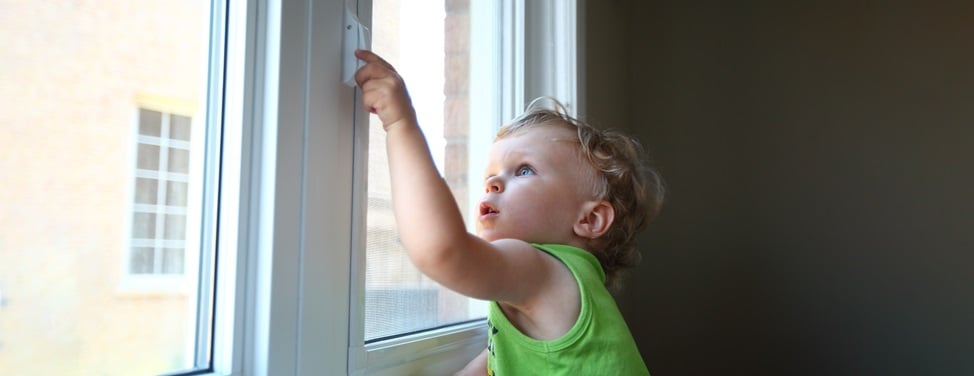
Around 9 months, your baby is beginning to develop his or her own identity and starting to enjoy the independence of crawling or walking away from you. Your baby is learning by exploring every area of his or her environment, and it is very important to childproof your home.
Language
Your baby may say "dada" or "mama" at this age, but may not yet know what those words mean. To help your baby learn the meaning of different words, respond when he or she says something. You can also help your baby learn words by pointing to objects or pictures in books and naming them.
Babies at this age are beginning to understand what you say, but their vocal cords are not developed enough to allow them to say words. However, they can communicate with sign language. If you use the same sign each time you say a word, your baby may begin to connect the sign with the word. Then your baby can use the signs to communicate his or her needs, such as "hungry," "thirsty" or "more."
Sleeping
At around 9 months of age, some babies begin waking up again at night. They may be practicing standing or they may have realized they can call for their parents. If your baby begins to wake up at night, do not start any habits now that you don't want to continue for months. Just talk to your baby quietly and remind him or her that it is nighttime. Do not feed, pick up, hold or rock your baby, or your baby will expect this every night.
Discipline
Your baby now can understand the word "no." If you tell your baby "no," he or she will look at you to see if you really mean it. Now is a good time to consider the rules of your home. To help your baby learn how to behave:
- Talk with everyone in your home to decide on the most important rules that everyone can agree on. Often these are safety rules.
- Once you decide on a rule, enforce it consistently. Babies will quickly become confused if you allow them to touch the television, for instance, and then discipline them for touching it later.
- Expect your baby to try to touch something even after you have said "no" — your baby is trying to see if you really mean it.
- When your baby doesn't seem to be listening to you, try moving the baby to a different location, offering a different toy, or holding and talking to your baby.
Babies this age feel more comfortable if they know you will protect them from hurting themselves. This allows them to explore and learn more easily.
Know that even at this age, babies understand when they have pleased you. Praise your child every day. It is best to be specific about an action you appreciate, rather than giving general praise. For example, say "I like how you picked up the ball" rather than simply saying, "You are a good baby."
Feeding
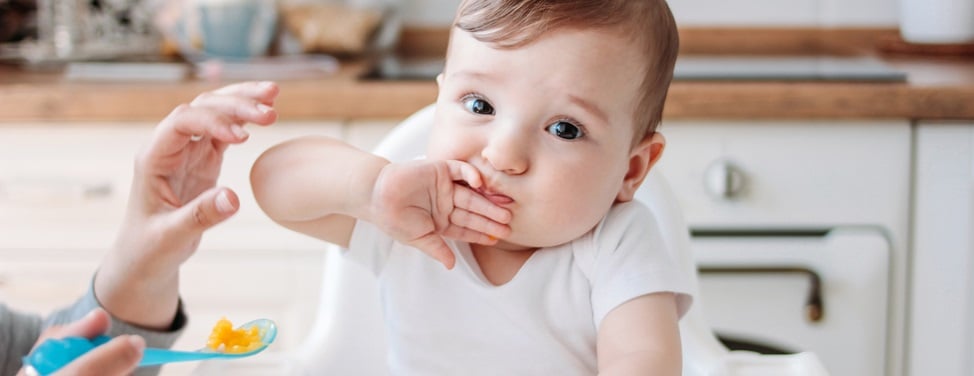
Your baby has probably been enjoying solid foods for several months now. Meals should continue to be a fun time for both of you, so don't force your baby to eat when he or she isn't hungry.
Babies this age really enjoy feeding themselves. It is a way for them to learn and explore different textures of food. Let your baby feed him or herself as often as you can. Your baby will make a big mess, but it is a great learning experience. Placing a sheet of plastic underneath the table or high chair can help with the clean-up.
Around this age babies are also learning how to let go of objects, and they love to drop things and watch you pick them up. They are not trying to make you mad. If you get tired of the game, just take the object away and move your baby to the floor.
Between 9 and 12 months of age, solid foods will begin to provide more nutrition for your baby, which means your baby will need less breast milk or formula. By 12 months, most babies are eating three meals a day with their families, but they usually need snacks in between meals and before bed.
You can now introduce your baby to a cup. One way to help your baby get used to using cups is to let him or her practice while in the bathtub, where spilling will not make a mess. During the next few months, encourage your baby to use a cup for most liquids.
Remember, babies can choke very easily. Some important safety tips:
- Don't give your baby small, hard objects to eat, like popcorn, peanuts, small candies like M&Ms, grapes or raw carrots.
- Hot dogs cut into circles are a choking hazard. If you feed your baby hot dogs, cut the circles into much smaller pieces.
- Your baby should always sit down when eating to help prevent choking.
- If you are still taking prenatal vitamins, make sure to keep them out of your baby's reach. Too much iron can be very dangerous for babies.
Safety
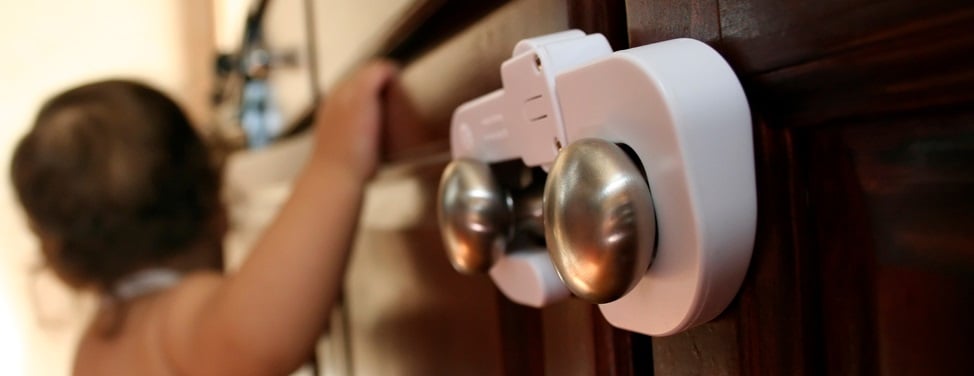
In the coming years, your child will depend on you to protect him or her from dangerous situations. Children cannot see the possible dangers, so it is up to you to change your home to make it safe for them. For more information, please read Childproofing Your Home.
Make sure you always secure your baby in a car seat when traveling by car or taxi. Keep the car seat facing backward until your baby is at least 1 year old and weighs at least 20 pounds. Studies show that children are safer if they continue to travel facing backward, even if they meet the guidelines to face forward. Consider keeping your child facing backward until he or she weighs 35 pounds. You will need to check the guidelines on your car seat to see if this is possible. If needed, consider buying a different car seat that allows older children to face backward.
Used by permission of Jane E. Anderson, M.D.