



























Bone Marrow
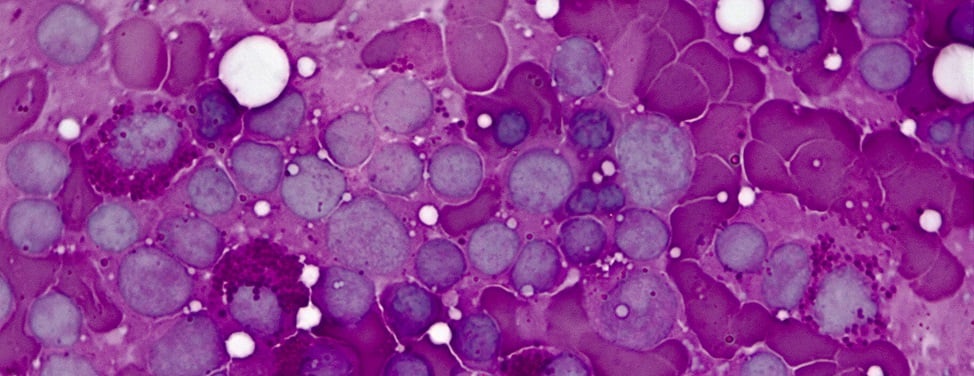
Bone marrow is a spongy substance found in the center of the bones. It manufactures bone marrow stem cells and other substances, which in turn produce blood cells. Each type of blood cell made by the bone marrow has an important job.
- Red blood cells carry oxygen to tissues in the body.
- Platelets stop bleeding by helping blood clot.
- White blood cells fight infections.
White Blood Cells
Three very important types of white blood cells are essential to the proper functioning of the body's immune system, which fights infection:
- Neutrophils and Macrophages — These white blood cells fight bacterial and fungal infections by "eating" germs
- Lymphocytes — These white blood cells fight bacterial, viral and fungal infections. T lymphocytes, also called T cells, attack viruses and other germs. T cells from the donor also can attack the recipient resulting in a reaction called graft versus host disease. T cells from the recipient can reject the donor bone marrow cell resulting in graft failure. B lymphocytes make antibodies which help destroy germs in our body.
Alternative Sources of Bone Marrow Stem Cells
Another source of bone marrow stem cells is the blood that circulates in the veins and arteries of all normal people. These stem cells are known as peripheral blood stem cells (PBSC). Patients recovering from chemotherapy and healthy people who are treated with certain drugs that stimulate the growth of the bone marrow have relatively large numbers of PBSC in their blood. The PBSC can be collected and used in certain situations as a source of stem cells for transplantation.
Another source of stem cells is the blood found in the placenta of a newborn baby once the umbilical cord is cut. Umbilical cord blood (UCB) has been successfully used as a source of bone marrow stem cells for transplantation in both related and unrelated patients.