






















When to Start Feeding Your Baby Solids
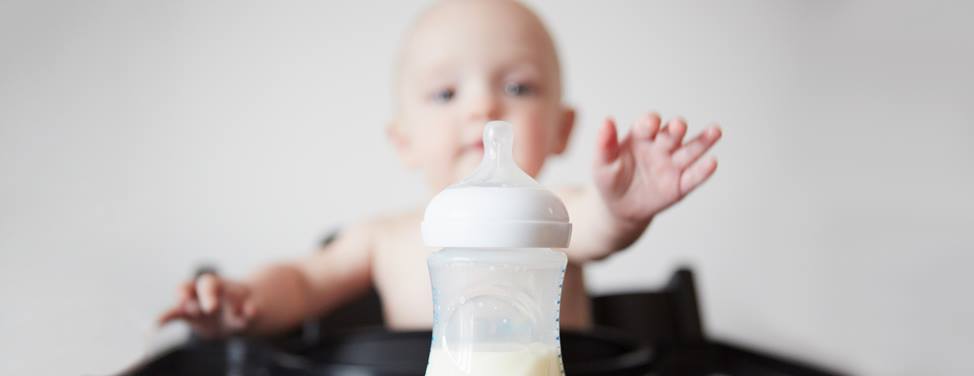
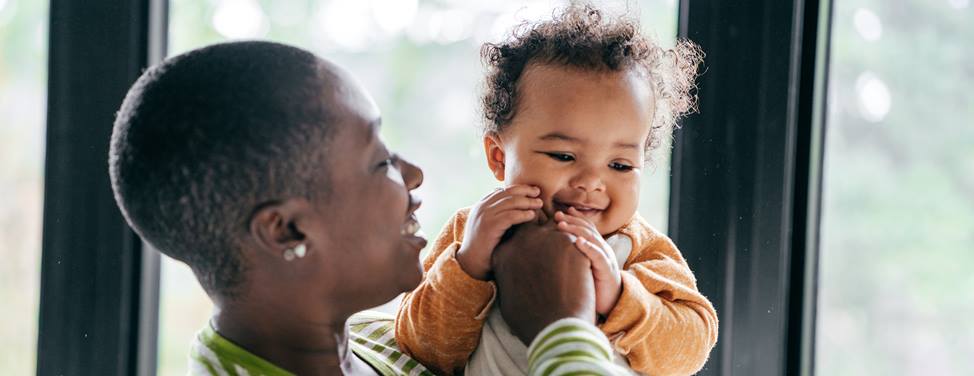
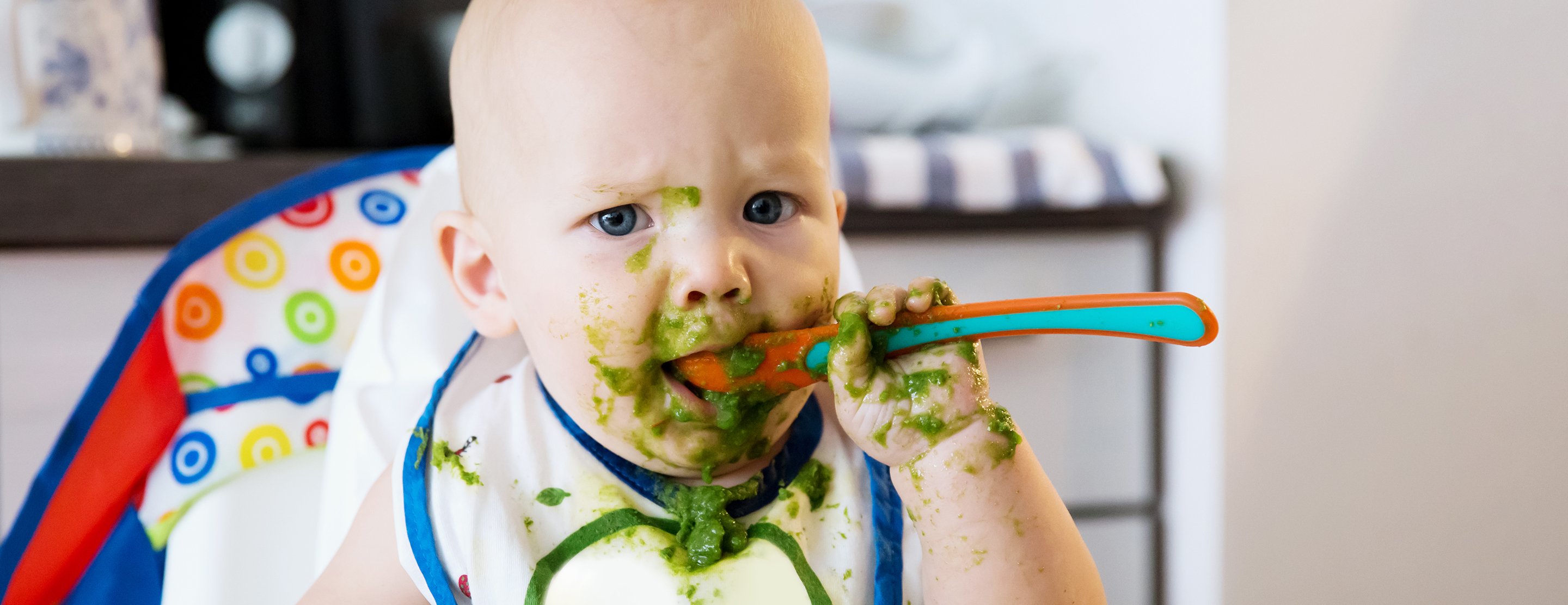
At about 6 months of age, you may notice that your baby can sit upright and reach for objects, such as food on the table. When your baby can sit and reach, his or her swallowing and chewing muscles are also maturing and your baby is getting ready for solid foods.
Between 6 and 9 months of age, eating solid foods teaches babies many new things. Babies learn new tastes and textures, how to swallow solid foods and soon, how to feed themselves.
How to Introduce Solid Foods
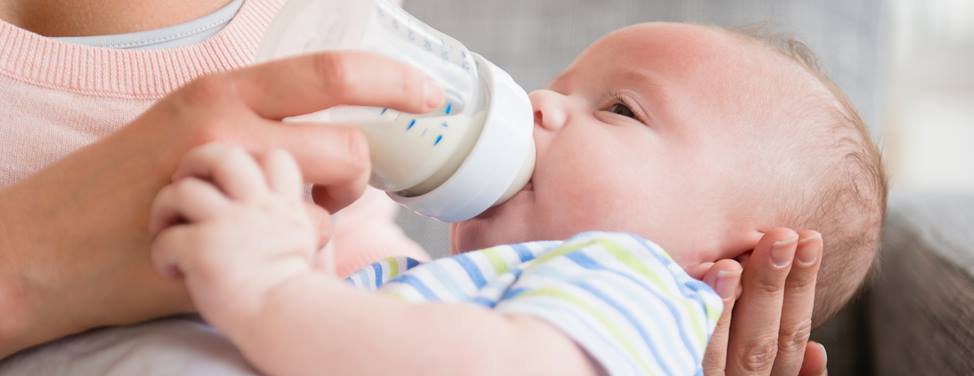
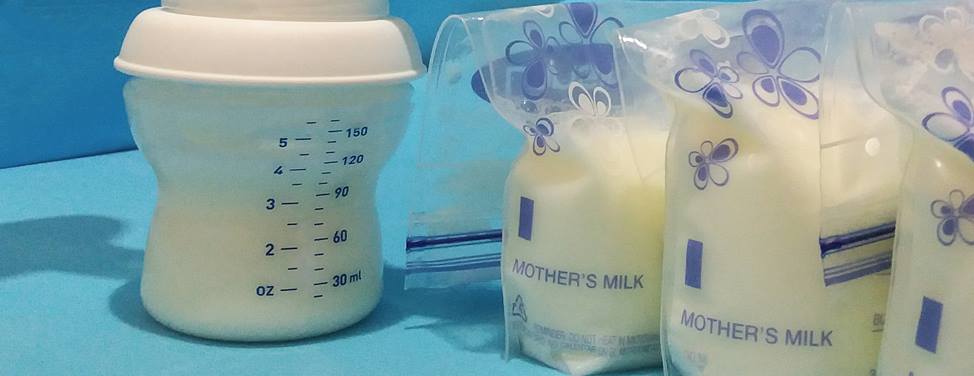
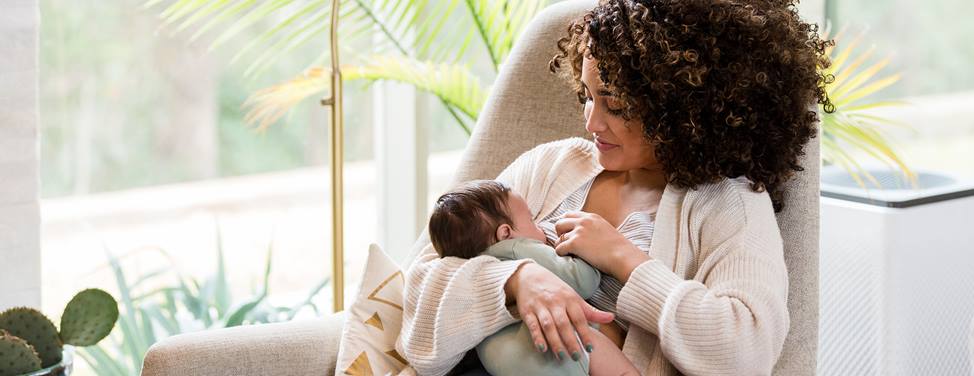
Keep in mind that formula or breast-feeding should remain the main source of nutrition for the first year, when solid foods won't provide many nutrients or calories. Always feed your baby breast milk or formula before offering solid foods.
Also, please do not add cereal or baby foods to your baby's bottle. This doesn't allow your baby to learn how to chew and swallow solids.
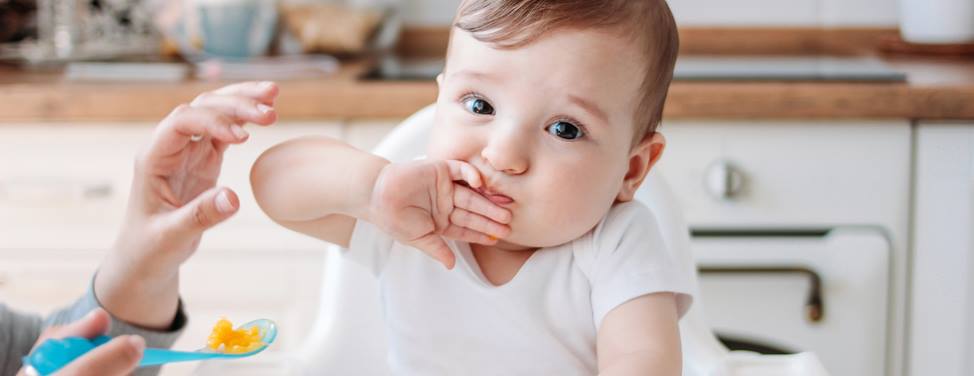
Your baby is beginning to need extra iron, so an iron-fortified baby cereal is a good choice for your baby's first solid food. Mix several tablespoons of dry cereal with formula, water or breast milk. The cereal should be smooth and semi-liquid. Use a small spoon to feed your baby. If your baby spits out the cereal, stop the feeding and try again in a few days.
Meals should be a fun, relaxed time for you and your baby to enjoy each other.
Introducing New Foods
You can offer plain cereal for several months, but most parents enjoy giving their babies a variety of new foods.
After introducing a new food, wait four to five days before giving your baby another new food, so you can watch for any allergic reaction. If your baby develops new symptoms such as a skin rash, diarrhea, constipation or vomiting, eliminate the new food from your baby's diet.
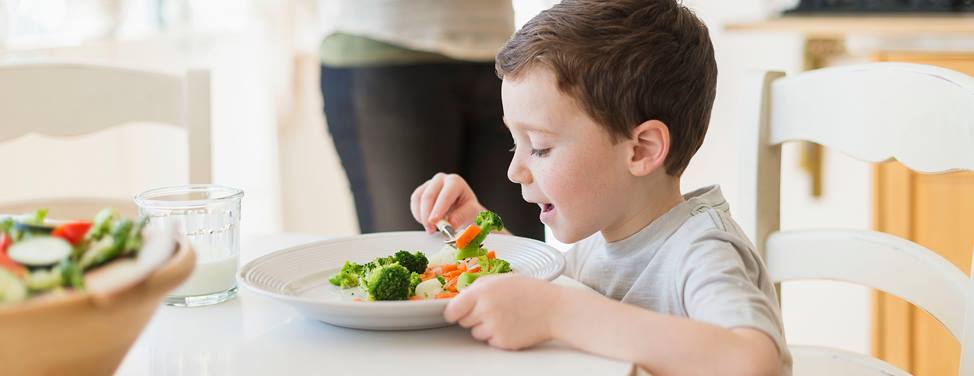
When you're ready to offer a new food, choose a vegetable first such as squash, peas or carrots. After your baby is enjoying several different vegetables, you can then try fruit.
Remember that cereal, applesauce and bananas can cause constipation. If your baby becomes constipated, there are several tricks to try:
- Offer a different type of baby cereal, such as barley or oatmeal
- Add a little prune juice or flax seed oil to the cereal
- Offer fruits that help loosen stools, such as peaches, plums, pears and prunes
If your baby eats bananas, you may notice little black threads in your baby's stool. This is just the center part of the banana.
Making Baby Food
Making your own baby food can save you money. Cook the food well and take out your baby's portion before you add salt, sugar or seasoning. Some vegetables — such as carrots, beets and spinach — have high nitrite levels. Don't make baby food with these vegetables. Baby food manufacturers monitor the nitrite levels in their products.
You can freeze any extra baby food in ice cube trays, to defrost small portions later when needed.
Safety Notes
- Do not give your baby any honey for the first year of life. It can cause infant botulism, a type of food poisoning that can lead to death.
- Avoid foods that may cause choking, such as corn, nuts, raisins, candy, grapes, and hot dogs cut in circles.
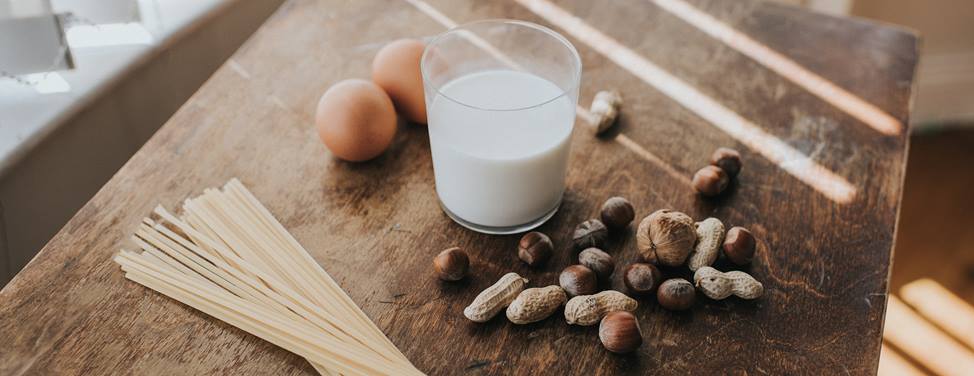
- Avoid foods that may cause allergies, such as chocolate, peanuts, peanut butter, citrus fruits (tomatoes, lemons, oranges, pineapples) and berries.
- Introduce new foods one at a time and watch for signs of a food allergy or intolerance, as described above.
- Avoid foods that may irritate your baby's digestive system, such as spicy foods, greasy foods and pastries.
Buying Baby Food
If you buy baby food:
- Choose single-item foods.
- Know that mixed baby foods, such as "baby dinners," have less nutritional quality by weight.
- Don't offer baby desserts.
- Remember, no honey for your baby's first year of life.
- Check the labels to make sure no foods have been added that may cause allergies, such as orange juice.
Used with permission of Jane E. Anderson, M.D.