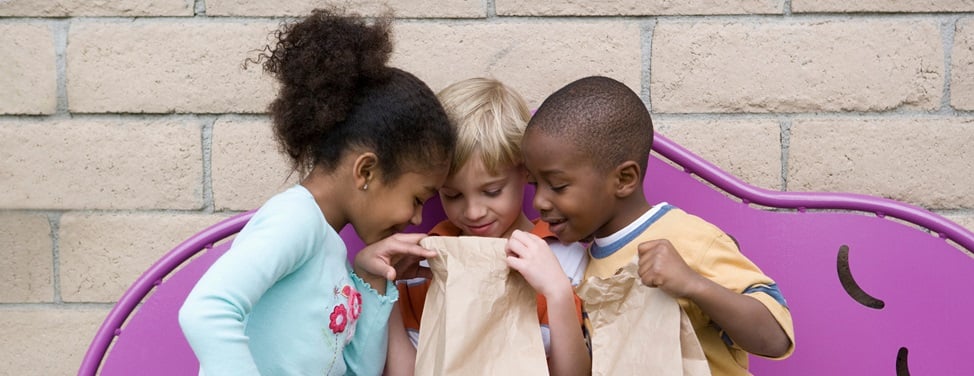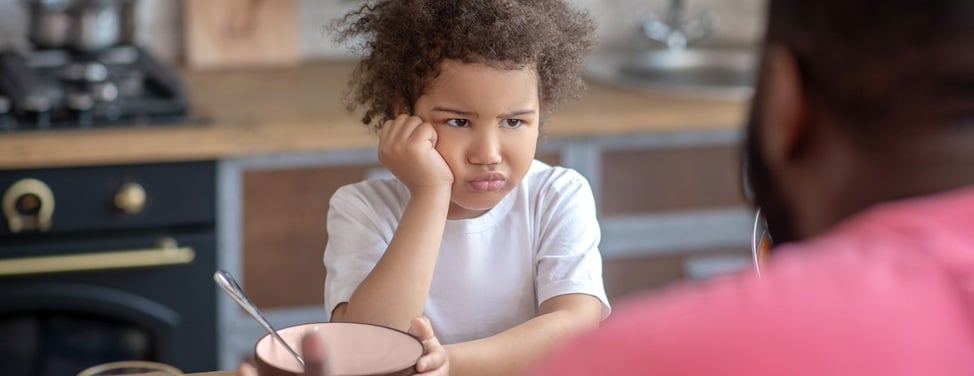




























A growing number of children — at increasingly younger ages — are developing weight problems. This is a serious health problem, since many illnesses are associated with increased weight. Overweight kids can develop high blood pressure and diabetes, just like adults. Children may also have a more difficult time making friends, and may be teased more by peers.
Overweight children are much more likely to be overweight in adolescence and adulthood. Unfortunately, it gets harder to lose weight as one gets older. And having a parent who is overweight greatly increases a child's likelihood to become overweight. If both parents are overweight, the chances are even greater.
While there are ways to help those who are already overweight, prevention is key. The good news is, there are simple things you can do today to create a healthier family.
Food
As the parent, you probably do the shopping for your family. Be careful what you buy, and the whole family will benefit — you may notice a lower food bill, too.
- Do not buy soda. Just two sodas a day for a year will add 10 pounds to your child's weight.
- Do not buy juice. Even 100 percent fruit juice contains lots of calories with little to no nutritional benefit.
- Do not buy the 'C' foods: cookies, chips, cupcakes, cakes, candy, crackers or cereals with a lot of sugar.
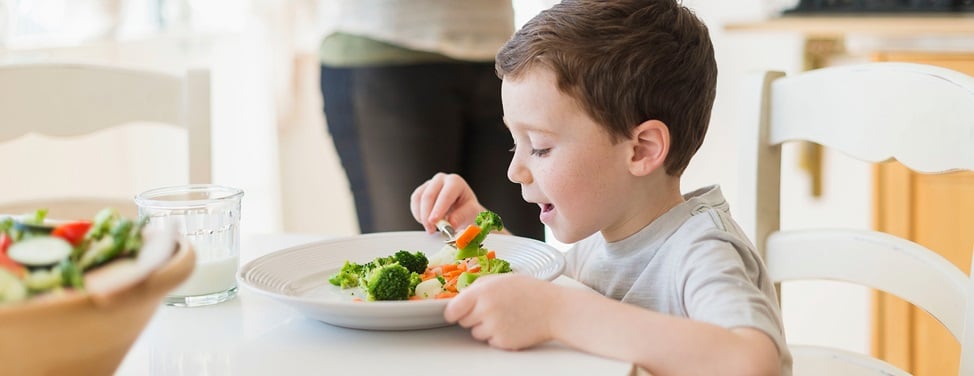
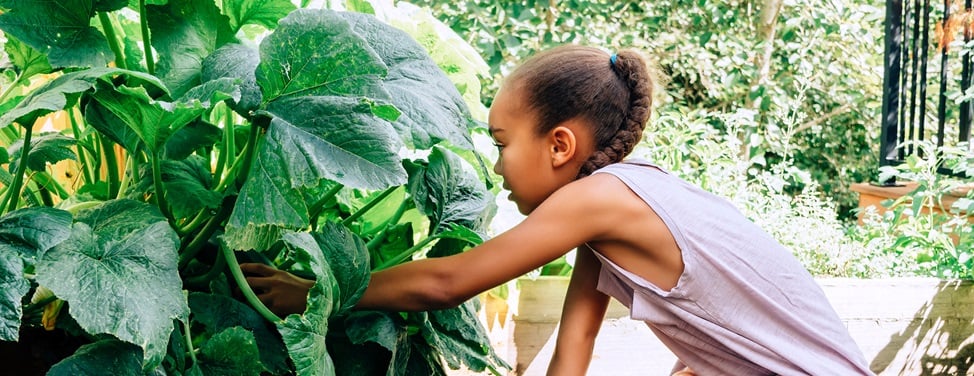
- Choose more fresh fruits and vegetables.
- Offer more: chicken, turkey, fish, non-fat milk and yogurt, and baked, boiled or broiled foods.
- Offer less: hot dogs, bologna, bacon, sausages, ice cream, cream cheese, chocolate milk, and pan-friend or deep-fat fried foods.
- Choose healthier snack foods. Although your child may not like it at first, he or she may quickly learn to enjoy an apple, peanut butter and celery, popcorn or string cheese for snacks.
- Encourage your child to drink more water. Pack a water bottle for car trips and in your child's backpack.
- Try to eat family meals together at least once a day.
- Do not skip meals. In particular, make sure your child eats breakfast. Breakfast helps your child's metabolism begin the day properly. Studies have shown that children who eat breakfast are less likely to be overweight.
- Don't use food as a reward.
- Serve meals on smaller plates.
Activity
Modern lifestyles have contributed to children's weight problems — children do not walk or exercise as much as in the past. There are many ways to get more exercise, and they don't have to happen at a gym; rather, families can add more physical activity into their daily lives with fun activities that get everyone moving:
- Walk together — before or after dinner, or to and from school.
- Go on family bike rides.
- Jump rope outside for 10 minutes.
- Go swimming.
- Play tag or ball in the backyard.
- Dance around the living room.
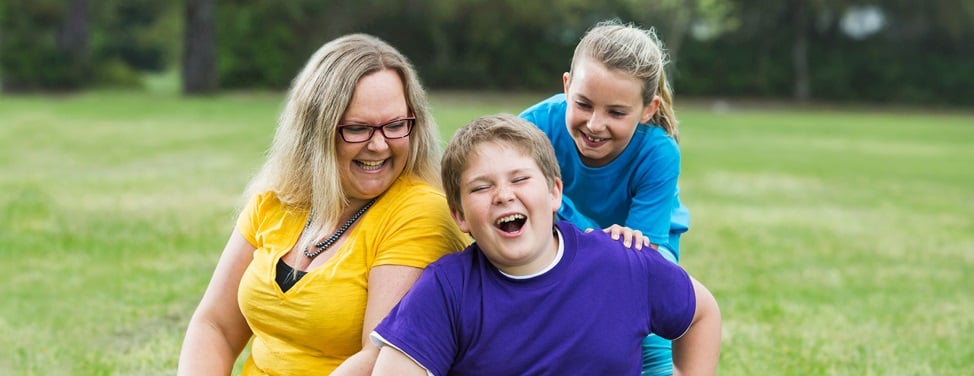
- Play with your child in the park.
- Enroll your child in an organized sport.
- Encourage your child to play actively for 30 to 60 minutes a day.
- Have your child help with family chores.
For more ideas, see Exercise Tips.
Television
Children who watch television are more likely to develop weight problems. There are many reasons for this: Children who watch TV have a very low metabolic rate and don't use many calories. They often eat while watching, particularly high-calorie, non-nutritious foods. And of course, when children watch TV, they aren't doing other activities that burn calories.
The following TV tips can help make the whole family healthier:
- Turn off the television when no one is watching, and during mealtimes and homework hours.
- Allow no more than one hour of "screen time" a day. Screen time includes TV, computer and video games.
- Fit some exercise into family TV time by doing jumping jacks or climbing the stairs with your child during commercials. You can also make your child earn screen time by exercising.
- Don't allow your child to eat while watching TV or videos.
- Don't allow your child to have a TV or computer in his or her bedroom.
Healthy Eating Habits
A child's ideas about food and eating begin early. It's important to let infants self-regulate and stop feeding when they're full. This is often easier when breast-feeding as opposed to bottle feeding. Breast-feeding has been shown to protect children from becoming overweight.
Whether a child is breast-fed or formula fed, it is crucial to teach children healthy eating habits from the very beginning, as soon as you introduce solid foods. That said, it's important to note that there's no relationship between children's weight before age 2 and their risk of being overweight as adults. Infants should be allowed to eat when hungry and stop when full.
- At least part of children's eating behavior can be traced to what they learned at the table from their parents. Saying things such as, "You must finish your veggies if you want dessert," sets up good foods versus bad foods — and the "bad" foods that children can't have are what they are going to want. This can lead to kids sneaking the "bad" foods and then feeling guilty about eating them.
- Another common command — "You have to clean your plate before you may leave the table" — can lead to forced feeding and suggests that children can't regulate their own hunger. While children need help choosing healthy and appropriate foods, even young children should be encouraged to eat only when they are hungry and stop when they are satisfied. Force feeding can either lead to picky eaters who eat poorly and are underweight, or it can teach children to be emotional eaters, which often results in overeating.
- If your child refuses to eat something, continue offering that food from time to time. Children's tastes change rapidly and they may like the food the next time around. Also, encourage them to try at least one bite each time you offer the food.
- Always set a good example. If you aren't eating a certain food, such as spinach, you can't expect your child to eat it.
On the upside, introducing a child to solid foods is the perfect time for the entire family to assess what they are eating and how they are approaching food and physical activity. This way, parents can ensure that they are good role models for their children from the very beginning.