



Soothing the soul
Our music therapy program nurtures patients with bedside serenades, rap workshops and more.
Find out more




Here to serve you
Explore our network of care for kids, from the tiniest to teens and young adults.




World-class docs
We'll help you find the best provider for your child.




Stress-free visits
Accommodations. Admission. Discharge. Procedure prep. We've got you covered.




Extraordinary kid care
Our specialists handle conditions ranging from the common to the most rare.




Referrals made easy
Contacts and resources to get your patients to our pediatric specialists




Best in Northern CA
We're ranked #1 in pediatric cancer, heart surgery, cardiology & more.





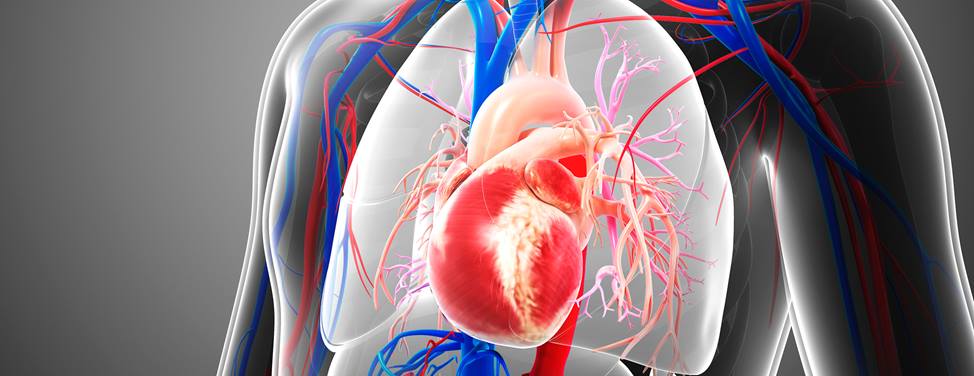
Ventricular fibrillation (VF) is a condition in which the heart's electrical activity becomes disordered. When this happens, the heart's ventricles — the lower chambers that pump blood — contract in a rapid, unsynchronized way. The ventricles "quiver" rather than beat, causing the heart to pump little or no blood.
VF is life-threatening and requires prompt treatment. Without medical treatment, collapse and sudden cardiac death will occur. However, VF can be treated with a medical device called an implantable cardioverter defibrillator (ICD), which brings the heartbeat back to a regular rhythm.
Ventricular fibrillation may cause the following symptoms:
Ventricular fibrillation (VF) may occur spontaneously with unpredictable timing, and specialized tests are needed to make an accurate diagnosis. If your child's doctor suspects your child has an arrhythmia caused by ventricular fibrillation, he or she will order one or more of the following diagnostic tests:
Treatment for ventricular fibrillation depends on the type and severity of the condition and the results of the diagnostic tests, such as the electrophysiology (EP) study. You and your child's doctor will decide which treatment is right for your child.
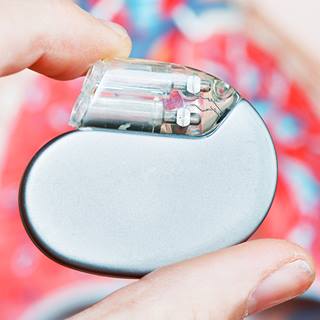
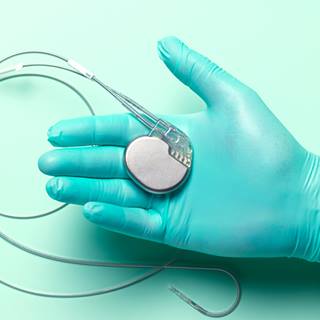
A medical device called an implantable cardioverter defibrillator (ICD) is one possible treatment. While not a cure for heart rhythm problems, an ICD stops a very fast heart rhythm and brings the heartbeat back to normal. It may prevent sudden cardiac death. Defibrillator paddles may either be applied to the chest externally or the defibrillator may be implanted internally, which is known as an internal cardiovertor defibrillator (ICD). An ICD is the most common therapy for children with VF.
UCSF Benioff Children's Hospitals medical specialists have reviewed this information. It is for educational purposes only and is not intended to replace the advice of your child's doctor or other health care provider. We encourage you to discuss any questions or concerns you may have with your child's provider.

Ranked among the nation's best in 10 specialties
Best in Northern California for cardiology & heart surgery
Soothing the soul