


Staff superheroes
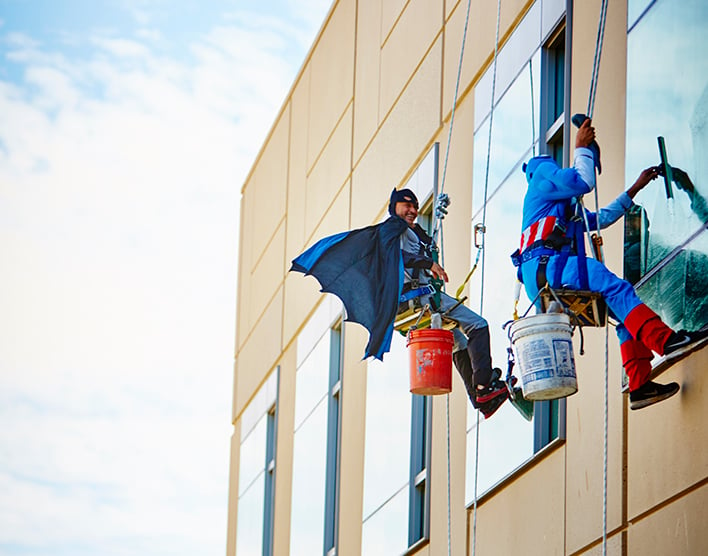
It’s a bird. It’s a plane. It’s a window washer! Dressed as a superhero to clean and brighten your day.




Here to serve you
Explore our network of care for kids, from the tiniest to teens and young adults.




World-class docs
We'll help you find the best provider for your child.




Stress-free visits
Accommodations. Admission. Discharge. Procedure prep. We've got you covered.



Extraordinary kid care
Our specialists handle conditions ranging from the common to the most rare.




Referrals made easy
Contacts and resources to get your patients to our pediatric specialists




Best in Northern CA
We're ranked #1 in pediatric cancer, heart surgery, cardiology & more.





An atrial septal defect (ASD) is an abnormal opening in the wall between the two upper chambers of the heart — the right and left atria. This opening causes some blood, which should normally flow only on the left side of the heart, to flow to the right.
The excess blood flows through the right ventricle into the pulmonary artery and to the lungs, making the heart work harder than normal. The extra blood flowing to the lungs creates a sound called a murmur.
Small holes caused by atrial septal defects may close on their own by the time a child is 2 years old. But a large ASD can cause several problems.
First, the heart works harder because it pumps extra blood to the lungs. This causes the right side of the heart to enlarge and may result in irregular heartbeats called arrhythmias. It also may cause congestive heart failure, but usually not until a person reaches middle age. Third, extra blood flow will damage the lung's blood vessels.
All ASDs larger than a few millimeters in diameter should be closed to prevent these problems.
Symptoms may not develop until the person has reached middle age. In fact, many children with atrial septal defects don't have any symptoms at all. Often, a child's ASD is discovered during a regular physical exam when a doctor hears a heart murmur.
Other symptoms include:
Most atrial septal defects are discovered because a murmur, an extra sound during the heartbeat, is heard during a physical exam. In making a definite diagnosis, your doctor may suggest the following tests:
In the past, atrial septal defect (ASD) closure required open heart surgery through an incision in the chest using a heart-lung bypass machine, followed by three to five days in the hospital for recovery.
Today, it's possible to close an ASD without surgery using a procedure called cardiac catheterization, performed in our Pediatric Cardiac Catheterization Laboratory. The procedure takes about three hours. Most patients go home the same day or stay one night in the hospital. If an ASD is unusually large, however, catheter closure may not be possible. In these cases, surgical closure is necessary and will be scheduled for another time.
During the procedure, a catheter — a flexible, narrow tube — is inserted through a tiny incision in the groin and into blood vessels. The tube is directed to the heart, where X-ray and video images are taken with an echocardiogram to assess the size and location of the ASD. Based on this information, an appropriately sized atrial septal repair device is selected.
An atrial septal repair device consists of two patches that are permanently placed in the ASD hole to cover the heart's left and right atriums. Within the first six months after placement, the lining of the heart wall grows over the device, eventually covering and sealing the hole. There are several devices currently available for closure. The type and size of device is chosen after X-ray and echocardiogram images to determine the size and location of the ASD. Sometimes, more than one device is needed.
Catheter closure is a safe and effective procedure, with a success rate of more than 97 percent. A small number of patients require surgical closure after catheterization because the hole is too large or not centered in the atrial wall. After catheter closure of an ASD, patients must take aspirin every day for six months to prevent blood clots from forming on the device and to help the lining of the heart grow over the device.
UCSF Benioff Children's Hospitals medical specialists have reviewed this information. It is for educational purposes only and is not intended to replace the advice of your child's doctor or other health care provider. We encourage you to discuss any questions or concerns you may have with your child's provider.
Best in Northern California for cardiology & heart surgery
Ranked among the nation's best in 11 specialties
Staff superheroes