


Saving future lives
500+ UCSF investigators are researching cures for hundreds of childhood and adult diseases.





Here to serve you
Explore our network of care for kids, from the tiniest to teens and young adults.




World-class docs
We'll help you find the best provider for your child.




Stress-free visits
Accommodations. Admission. Discharge. Procedure prep. We've got you covered.




Extraordinary kid care
Our specialists handle conditions ranging from the common to the most rare.




Referrals made easy
Contacts and resources to get your patients to our pediatric specialists




Best in Northern CA
We're ranked #1 in pediatric cancer, heart surgery, cardiology & more.





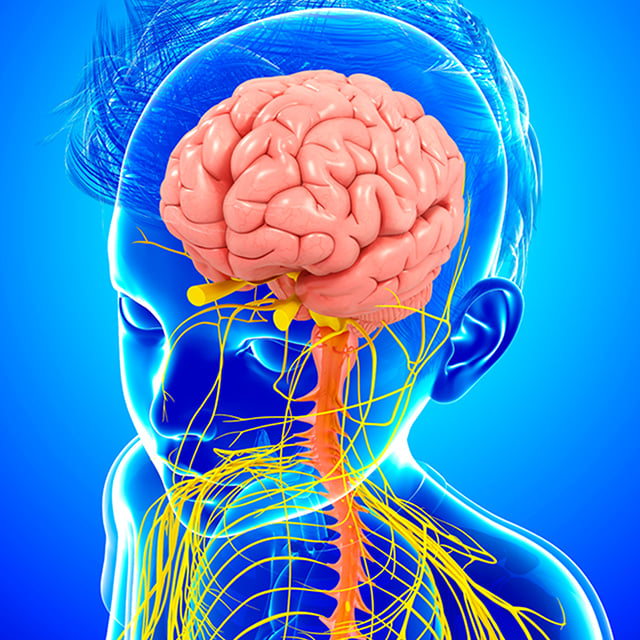
A brain aneurysm is a balloon or bulge in an artery where the artery wall has weakened. They're usually located on an artery at the base of the brain and typically develop where a major artery branches into smaller arteries. They can be life threatening if they burst, requiring emergency treatment.
Although most aneurysms occur in adults, they also occur in children. The cause is unknown, but some are hereditary and can affect many members of a family.
Brain aneurysms are treated at the UCSF Pediatric Stroke and Cerebrovascular Disease Center, the only comprehensive cerebrovascular disease center for children in the country, staffed by the world's leading experts in pediatric stroke and cerebrovascular disease.
Aneurysms usually don't cause symptoms until they burst. In many cases, the artery will seal the rupture itself, but blood will remain around the crevices of the brain, causing what it is known as a subarachnoid hemorrhage. If ruptured brain aneurysms don't repair themselves, they can be fatal.
The hallmark symptom of a ruptured aneurysm is a sudden and severe headache. Other symptoms differ, depending on the location of the aneurysm and how much blood has seeped into the brain. Symptoms may include:
Because ruptured aneurysms can be fatal, a quick and accurate diagnosis is essential. Symptoms can mimic those of other conditions, such as meningitis, so it is important that a definite diagnosis is made and that your child begins treatment. Tests commonly used in the diagnosis of aneurysms include:
Almost all aneurysms must be treated. The ultimate goal of treatment is to prevent future bleeding while preserving the artery. Our team of experts specializing in aneurysms includes a neurologist, neurosurgeon and neuroradiologist.
In most cases, aneurysms can be successfully treated. A child's prognosis depends on how much bleeding occurred and how function and consciousness was initially affected by the ruptured aneurysm.
Currently there are two major treatments for brain aneurysms, including:
Surgery — Surgery involves placing small, metal clips at the base of the aneurysm where it bulges from the artery, which clips or ties off the bulging section of the artery without tearing the artery and causing a stroke. This technique, known as microsurgical clipping, has an excellent success rate. However, some aneurysms cannot be safely clipped and require other surgical procedures, such as vascular bypass grafting. During this procedure, a vein is taken from the leg and used to reroute blood flow around the damaged artery.
Endovascular Therapy — A fairly new alternative to surgery is endovascular treatment of brain aneurysms. This procedure involves placing small, metal coils inside the aneurysm, which helps to prevent further bleeding. It is important to note that although this therapy appears to be safe and effective, there is less experience with this therapy in children.
After a child's aneurysm has been treated, complications can occur. This includes a condition known as vasospasm, in which the blood vessels around the site of the aneurysm clamp down. This can cause a decrease in blood supply to part of the brain, resulting in stroke.
UCSF Benioff Children's Hospitals medical specialists have reviewed this information. It is for educational purposes only and is not intended to replace the advice of your child's doctor or other health care provider. We encourage you to discuss any questions or concerns you may have with your child's provider.
One of the nation's best for neurology & neurosurgery

in NIH funding among U.S. neurology programs
Ranked among the nation's best in 11 specialties
Saving future lives