


























Neuro-Intensive Care Nursery (NICN)
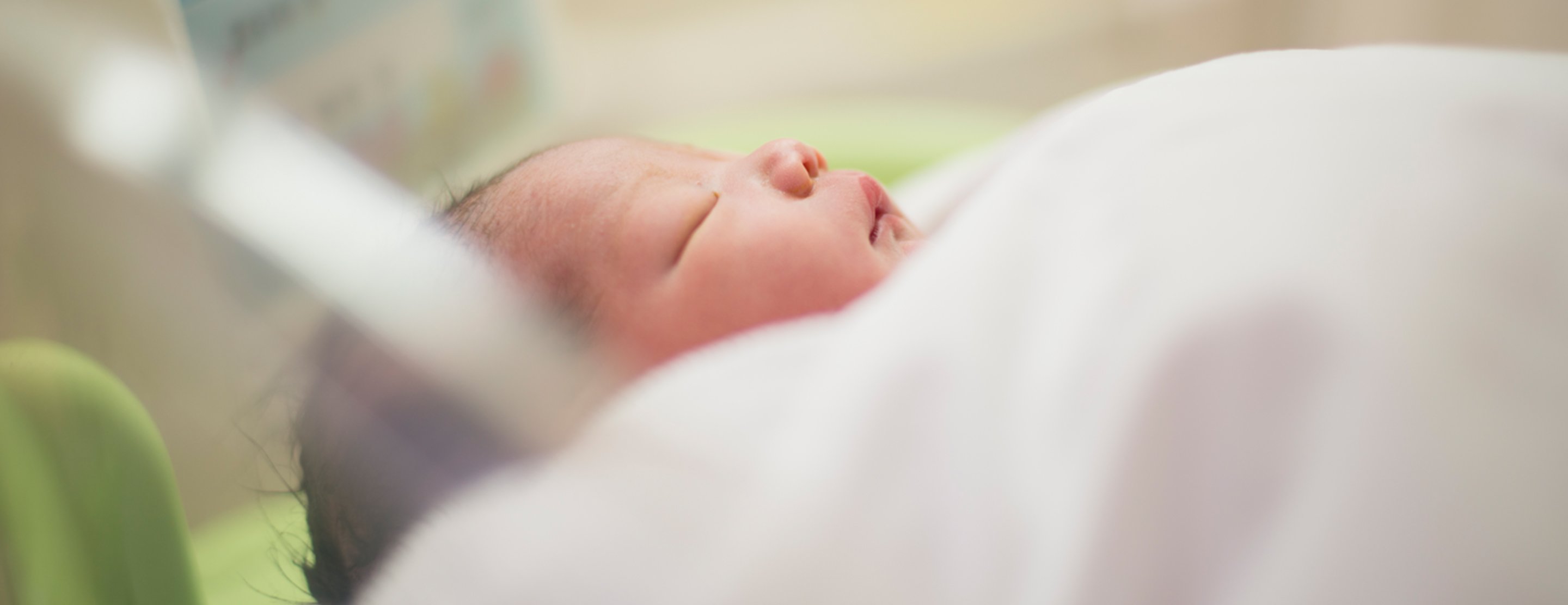
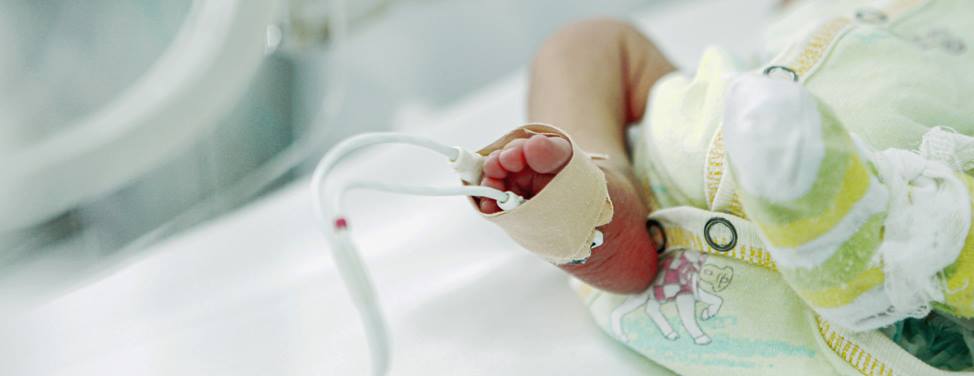
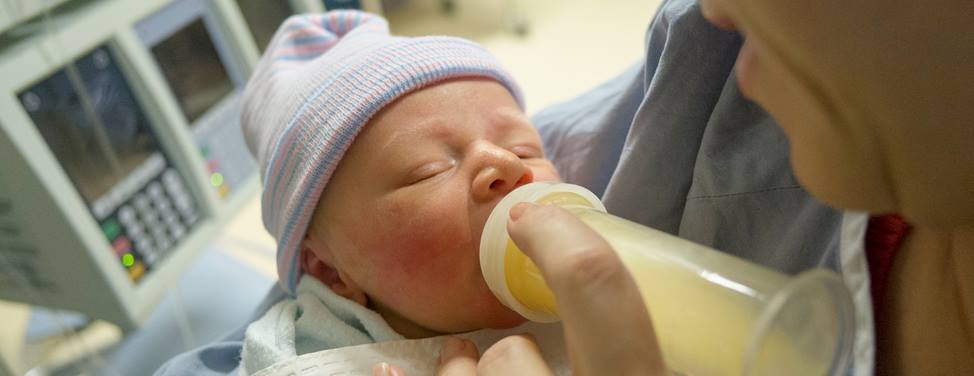
The Neuro-Intensive Care Nursery (NICN) provides highly specialized, around-the-clock care for infants born with a condition affecting any part of the nervous system, as well as newborns at risk for these problems. Critically ill infants throughout Northern California are brought to our hospitals for diagnosis, treatment and rehabilitation (therapeutic programs to improve function and well-being).
The services we provide include neurosurgery for newborns, using minimally invasive methods when possible; brain cooling, which may prevent lasting brain damage for babies who have been deprived of oxygen; and continuous brain monitoring via electroencephalogram (EEG), used to diagnose and treat seizures. Because neurological development is so important in the first months of life, our goal is to identify and address problems as early as possible.
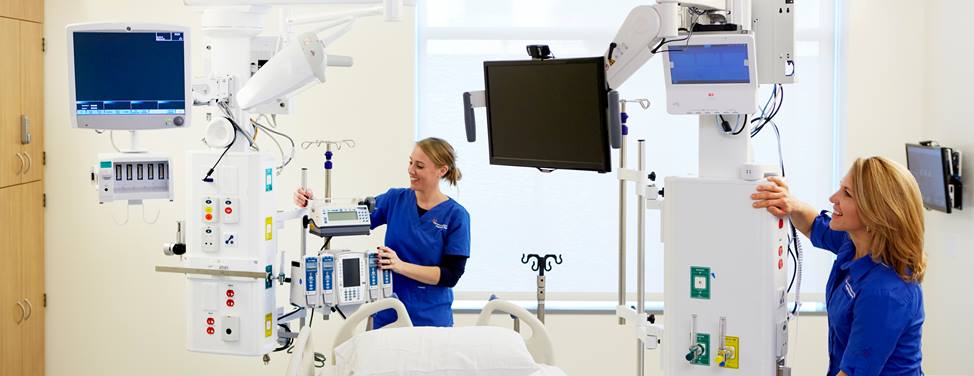
Our team is made up of many types of experts, including neonatologists, pediatric neurologists, pediatric neurosurgeons, pediatric neuroradiologists and specially trained bedside nurses. By bringing together multiple top specialists to collaborate on your baby's care, we can achieve the best possible outcome.
After discharge, we continue to monitor each patient's neurological development and provide long-term support through our Neonatal Neurology Follow-Up Clinic.
In addition to delivering the highest level of care for urgent conditions, we conduct research to improve the lives of children at risk for long-term disabilities. In fact, UCSF investigators discovered many of the therapies that are now standard care for critically ill infants. Interested families may have the option to enroll in a clinical trial to improve understanding of the newborn brain or to evaluate potential new treatments.
Family-Centered Care
Having a child in intensive care is highly stressful for families. We want parents to feel as involved, informed and comfortable as possible, and we encourage you to visit, ask questions and play an active role in your baby's care. You'll also find a variety of hospital support services and amenities available to your family during your baby's stay.
Our locations (2)
Our team
-
Hannah Glass
MDCM, MAS
Pediatric neurologist -
Fernando Gonzalez
MD
Neonatologist -
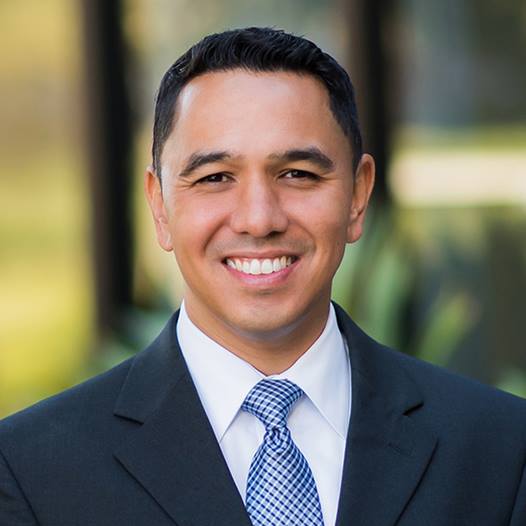
Kurtis Auguste
MD
Pediatric neurosurgeon -
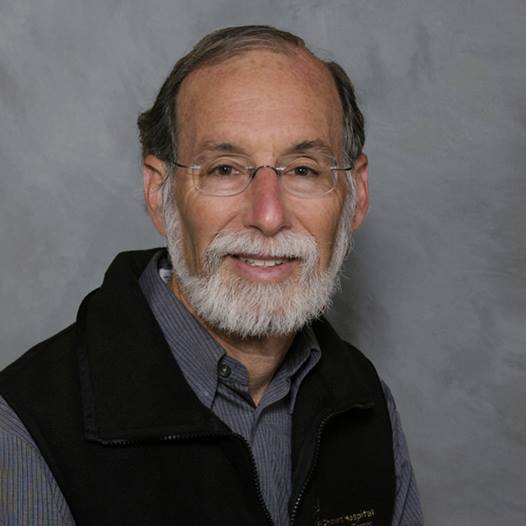
Ronald I. Clyman
MD
Neonatologist -
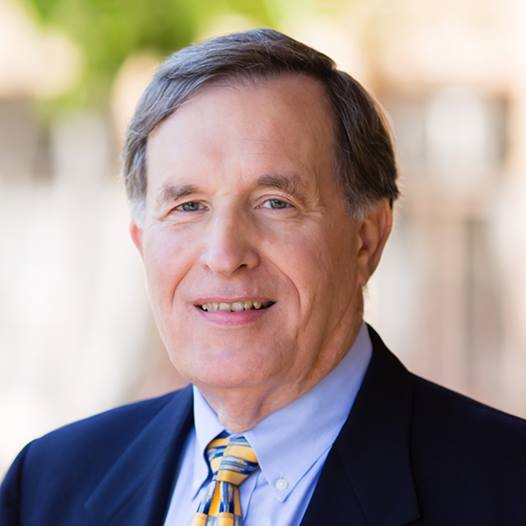
Arthur E. D'Harlingue
MD
Neonatologist -

Martha Douglas-Escobar
MD, FAAP
Neonatologist and perinatologist -
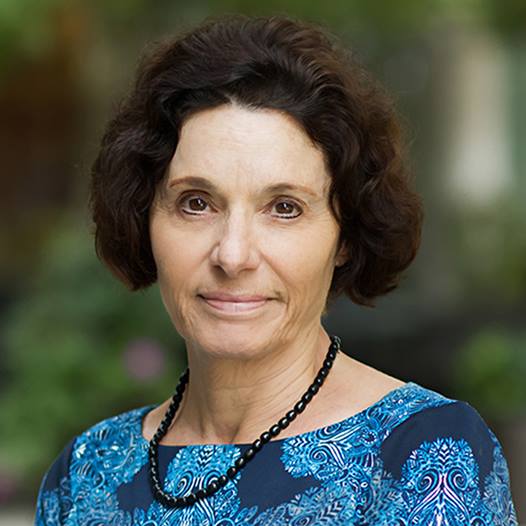
Donna Ferriero
MD
Pediatric neurologist -
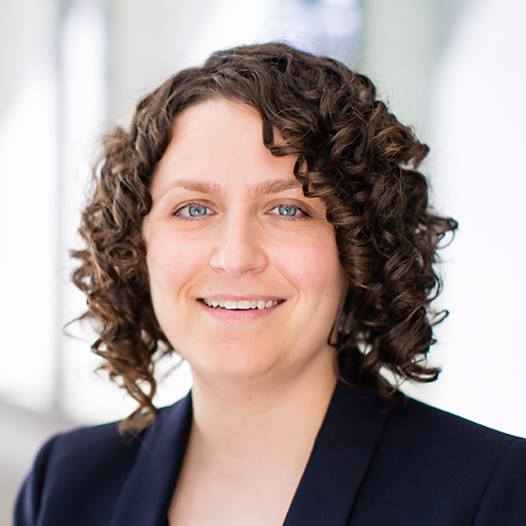
Dawn Gano
MD, MAS
Pediatric neurologist -
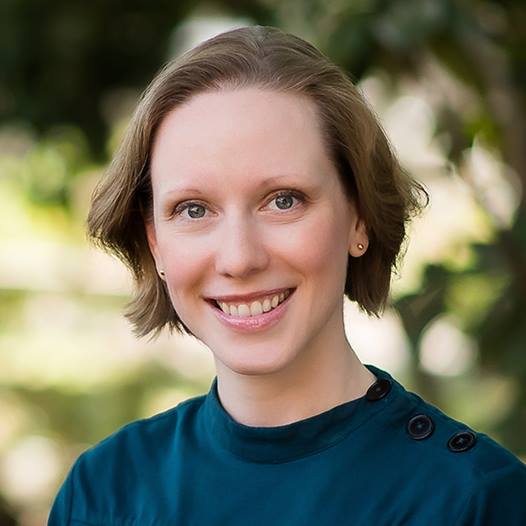
Marisa Gardner
MD
Pediatric neurologist and epilepsy specialist -
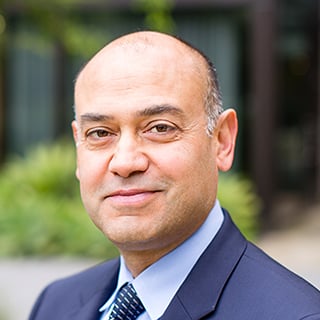
Nalin Gupta
MD, PhD
Pediatric neurosurgeon -
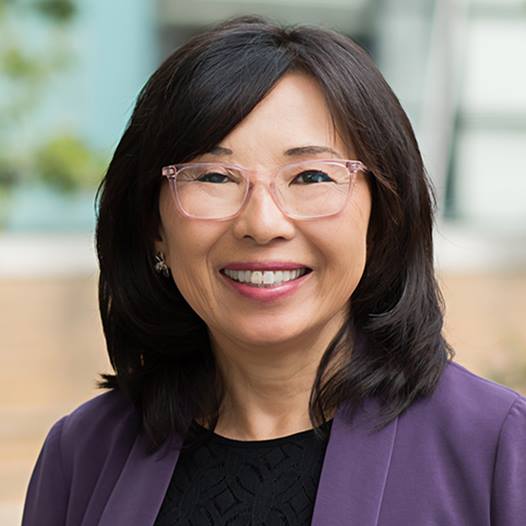
Priscilla Joe
MD
Neonatologist -
Bridget LaMonica Ostrem
MD, PhD
Pediatric neurologist -
Mark Petersen
MD
Neonatologist -
Elizabeth E. Rogers
MD
Neonatologist -
Thomas Shimotake
MD
Neonatologist -
Yao Sun
MD, PhD
Neonatologist and perinatologist -
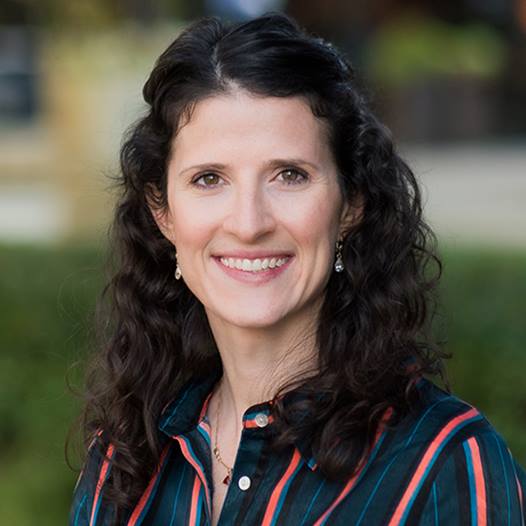
Sharon Orbach Wietstock
MD, MSc
Pediatric neurologist -
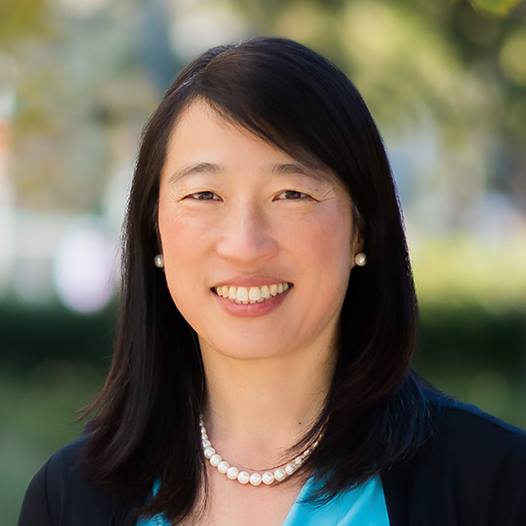
Yvonne W. Wu
MD, MPH
Pediatric neurologist
Awards & recognition
-
Ranked among the nation's best in 10 specialties
-
Top 10 in the nation for neonatology
-
One of the nation's best in neurology & neurosurgery
-

in NIH funding among U.S. neurology programs
Recommended reading
Our research initiatives
-
Neonatal Seizure Registry
The Neonatal Seizure Registry (NSR) is an alliance of US centers that have worked together since 2012 to study early onset seizures.
-
-
UCSF Newborn Brain Research Institute
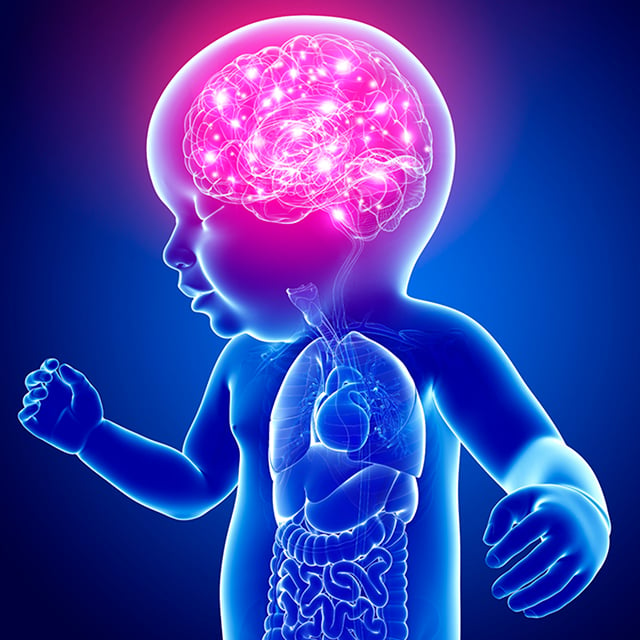
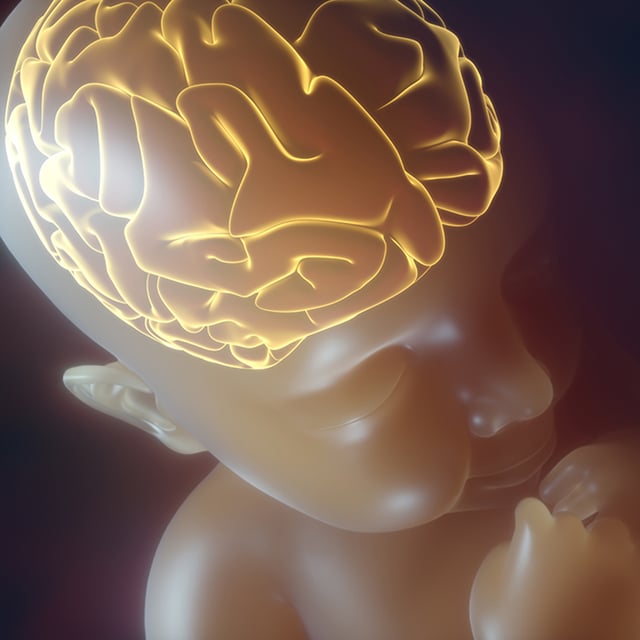
The Newborn Brain Research Institute promotes brain development and recovery by leveraging clinical excellence, a cutting-edge data hub and innovative basic and clinical research.
Support services


Tender wagging care
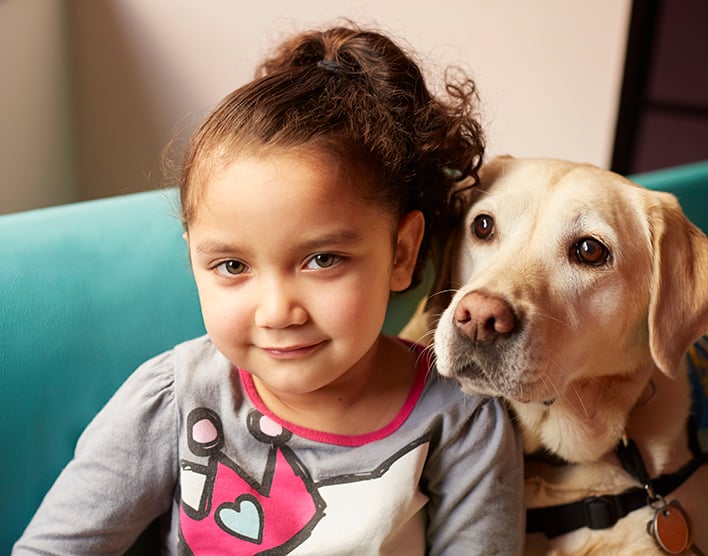
Our therapy dogs spread joy and smiles at the bedside and throughout the hospital.
Visit Child Life services