




























Bone Marrow Transplant, Cellular and Gene Therapy Program
The Bone Marrow Transplant, Cellular and Gene Therapy Program provides life-saving therapies for children with a variety of conditions, including blood cancers; noncancerous blood conditions, such as primary immune deficiency disorders, sickle cell disease, beta thalassemia and aplastic anemia; brain tumors and other solid tumors; and certain rare metabolic and genetic disorders.
These cutting-edge therapies often involve providers from many specialties. Drawing on expertise across multiple disciplines allows us to deliver optimal care before, during and after the course of treatment.
Why families choose us
Outstanding bone marrow transplant (BMT or stem cell transplant) outcomes
- Our BMT patients have among the highest survival rates in the nation, thanks to our commitment to thorough pretransplant evaluation and preparation and post-transplant follow-up care.
Pioneers in cellular therapies
- We were the first medical center in California certified to deliver CAR T-cell therapy to pediatric patients outside of a clinical trial.
Leaders in gene therapy
- UCSF was one of the first medical centers to offer newly-approved gene therapies for sickle cell disease and is at the forefront of research into potentially curative gene-correcting treatments.
Commitment to success
- All our patients receive personalized chemotherapy dosing and robust supportive care, measures that contribute to our high survival rates.
Support for families
Recognizing that optimal care isn't just about treating a disease, our program is designed to ease the medical journey for patients and families:
- We work to provide seamless care, both within and outside our local communities, serving patients and referring doctors well beyond the San Francisco Bay Area, thanks to our comprehensive telehealth system.
- Specialized multidisciplinary clinics ensure that patients with rare metabolic disorders or severe graft-versus-host disease get the comprehensive care and support they need.
- Dedicated patient navigators help families with managing referrals, insurance concerns and appointment planning.
Awards & recognition
-
Top 10 in the nation and best in Northern California for cancer care
-
Ranked among the nation's best in 11 specialties
-
Designated an early phase clinical trials core site by the Children's Oncology Group
-

Accredited by the Foundation for Accreditation of Cellular Therapy
Our locations (2)
Our team
-

Julia Chu
MD, MPH
Pediatric Hematology Oncology -

Morton J. Cowan
MD
Pediatric Allergy and Immunology -

Christopher Dvorak
MD
Pediatric Hematology, Medical Oncology -

Christine Higham
MD
Pediatric Hematology Oncology -

James Huang
MD
Pediatric Hematology Oncology -

Sandhya Kharbanda
MD
Pediatric Hematology -

Philip Pauerstein
MD, PhD
Pediatrics, Pediatric Hospital Medicine -

Gabriel Salinas Cisneros
MD
Pediatric Hematology Oncology -

Kristin A. Shimano
MD
Medical Oncology, Hematology -

Mark Walters
MD
Pediatric Hematology Oncology -

Lena Winestone
MD, MPH
Pediatric Hematology, Pediatrics -

Mara Bailey-Olson
CPNP
Pediatric Cellular Therapy -
Kaila Brereton
NP
-

Janelle Facchino
NP, MS
Pediatric Cellular Therapy -

Brianne Gebhardt
NP, BSN
Pediatrics -

Sara O'Kane
NP
Anemia and Bone Marrow Disorders
Plan your visit


Related clinics (7)

 7
7
Hematology Clinic


Primary Immune Regulatory Disorder (PIRD) Clinic


Support services






Patient stories

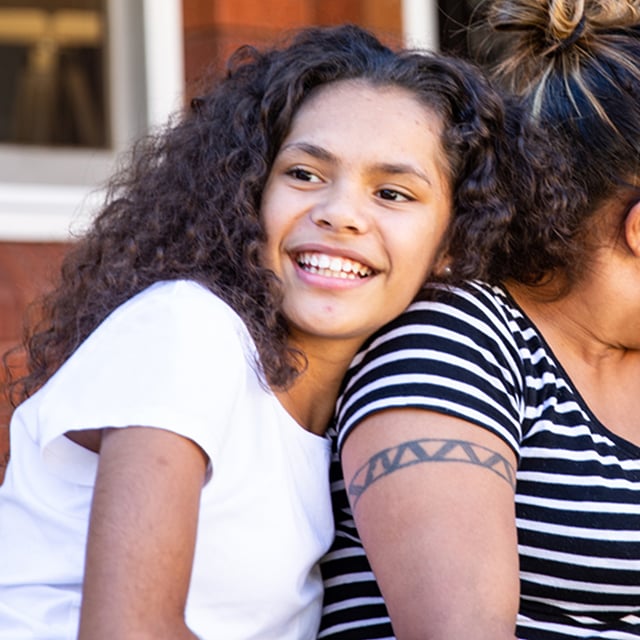
Sisters bond over lifesaving transplant
Jade became sick overnight with a potentially fatal blood disorder. Despite the odds, her big sister, Ava, was a perfect match as a donor.
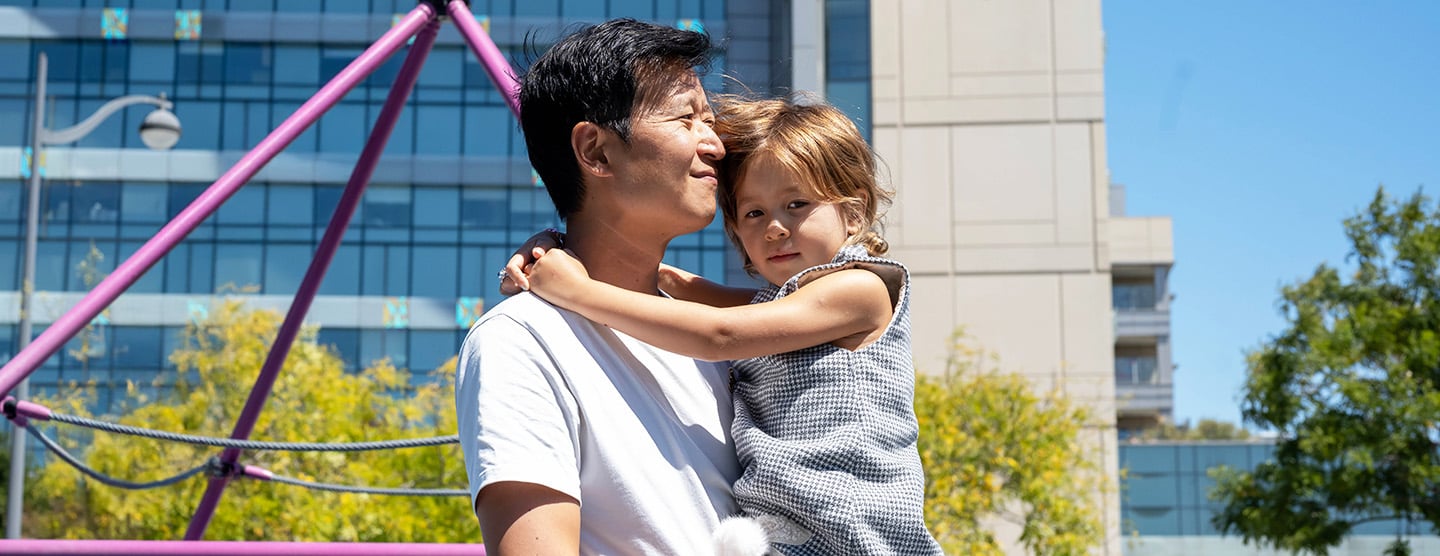
Precision treatment helps kids with blood cancer
A cutting-edge therapy developed at UCSF minimizes the amount of chemotherapy kids like Astrid King need to beat blood cancer.
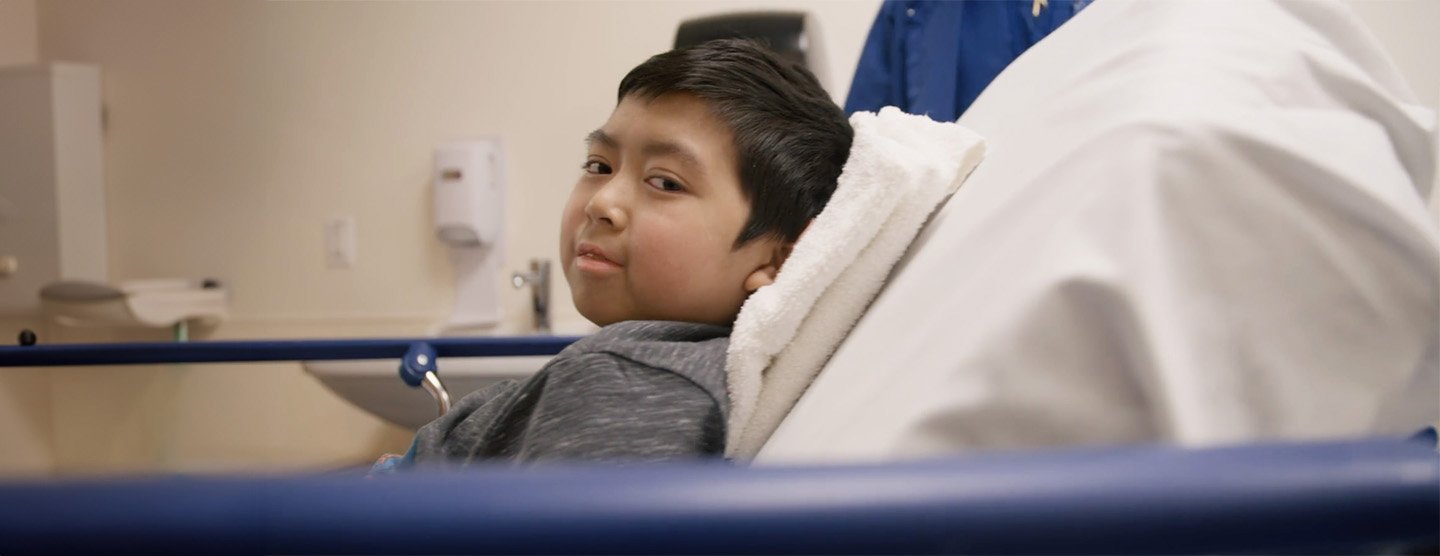
Meet UCSF's first CAR T-cell patient
Shaun had been battling an aggressive leukemia for six years. When his care team recommended a new experimental treatment, his parents described it as "divine intervention."
Clinical trials

A Multicenter Access and Distribution Protocol for Unlicensed Cryopreserved Cord Blood Units (C...
The primary objective of this access and distribution protocol is to examine the incidence of neutrophil recovery of ≥500/mm3 after cord blood transplantation in a multi-institution setting using CBUs that are not FDA licensed.
Recruiting
More about this study
Autologous Gene Therapy for Artemis-Deficient SCID
Patient survival status and (if applicable) cause of death will be recorded to assess overall survival.
Recruiting
More about this study
The EndRAD Trial: Eliminating Total Body Irradiation (TBI) for NGS-MRD Negative Children, Adole...
The primary objective of this study is the two Year Event-free Survival for patients with high-risk or recurrent B-ALL who proceed to HCT and who are NGS-MRD negative when treated with a non-TBI preparative regimen.
Recruiting
More about this study
Mobile App to Help Survivors of Childhood Cancer Navigate Long-Term Follow-Up Care
The knowledge of the participant will be measured using a 12-item questionnaire that assesses the awareness of their treatment and health issues in four categories: (1) diagnosis, (2) treatment, (3) risks, and (4) recommended foll...
Recruiting
More about this studyOur research initiatives

Staff superheroes
It’s a bird. It’s a plane. It’s a window washer! Dressed as a superhero to clean and brighten your day.